
AQUARIUS Funding Call – Marine and Freshwater Infrastructure Access: Open 02 September 2025 – 28 October 2025
AQUARIUS Funding Call – Marine and Freshwater Infrastructure Access: Open 02 September 2025 – 28 October 2025
DEEP-IMPACT aims to study the deep-sea ecosystems in the Kerkira-Kephalonia valley in the Mediterranean, an area that has remained largely unexplored until now.



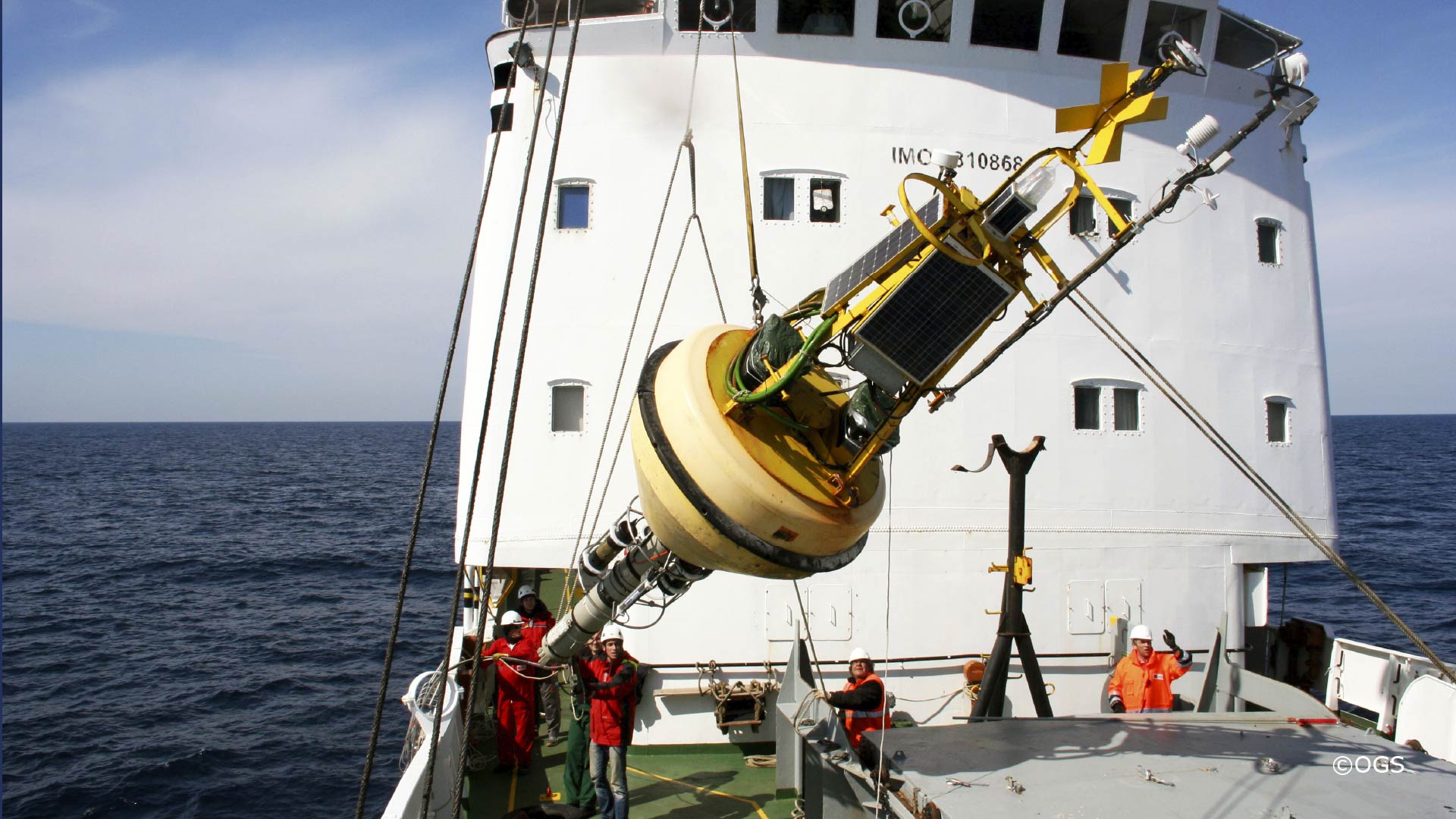
Research Infrastructure Used: RV Aegaeo, Max Rover, EMBRC-OOB, South Adriatic Sea E2M3A EMSO Regional Facility

DEEP-IMPACT aims to study the deep-sea ecosystems in the Kerkira-Kephalonia valley in the Mediterranean, an area that has remained largely unexplored until now. Recent observations have shown that dense water from the northern Adriatic flows into the canyon, influencing the deep-sea environment and potentially transporting pollutants into these depths. To study this phenomenon, physical and biogeochemical measurements will be employed to track the movement of dense water masses and the dynamics of the deep-sea currents. Bathymetric data will be collected to map the detailed morphology of the canyon, providing crucial insights into its structure and enhancing our understanding of how physical processes such as mixing and upwelling impact the local marine environment. Pollutant analysis will focus on microplastics and contaminants in water, sediments and marine organisms to assess how pollutants are carried from coastal areas into the deep sea through dense water currents. Omics analyzes will play a key role in studying the biodiversity and functional potential of marine ecosystems, particularly in exploring the relationship between DNA in the coastal zone and the canyon. The study of benthic organisms will involve direct sampling and ROV inspections, yelding information about the composition of the faunal assemblage.
In addition to benthic research, the project will also sample deep-sea fish macrofauna using specialized fish traps to examine species composition and potential changes driven by anthropogenic influences.
By analyzing biological samples, we aim to uncover potential links between the genetic composition of organisms on the coast and those in the deep- sea ecosystem, offering valuable insights into the transfer of biological material and the impact of pollution on coastal environment. Collectively, these effort efforts will provide a comprehensive understanding of the interactions between physical, biological and anthropogenic factors in the deep sea.
MORE INFORMATION
AQUARIUS TA Project Name:
Dynamics and Ecosystem Effects of dense-water Processes in the Kerkira Kefalonya valley: Impacts of Mediterranean and Pollutant Advection through the Ionian and Adriatic Connecting Transport
Project acronym:
DEEP-IMPACT
TA Project Unique ID:
23
Partners involved:
Start date
August 2026
End date
August 2026
Mission Lighthouse Region
Mediterranean Sea
Work/research geographical
area
Ionian Sea, Kephalonia island
Names of RI facilities used
RV Aegaeo, Max Rover, EMBRC-OOB and South Adriatic Sea E2M3A EMSO Regional Facility
Scientific discipline(s)
Physical oceanography, biological oceanography, marine geology, chemical oceanography, marine ecology, metagenomics, pollution, zoology, etc.
Principal Investigator
(PI) Affiliation
Riccardo Martellucci (OGS)


