
AQUARIUS Funding Call – Marine and Freshwater Infrastructure Access: Open 02 September 2025 – 28 October 2025
AQUARIUS Funding Call – Marine and Freshwater Infrastructure Access: Open 02 September 2025 – 28 October 2025
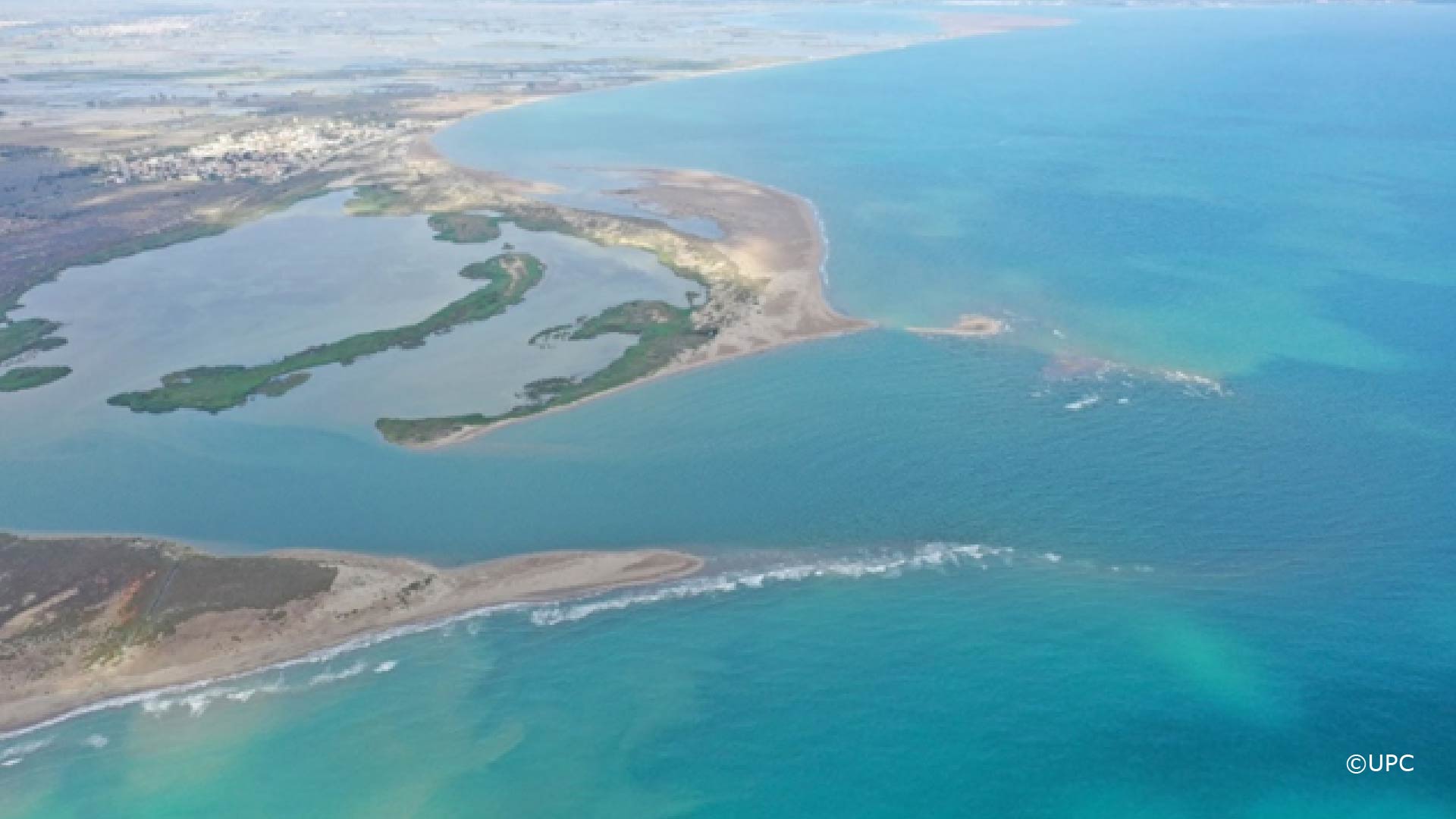
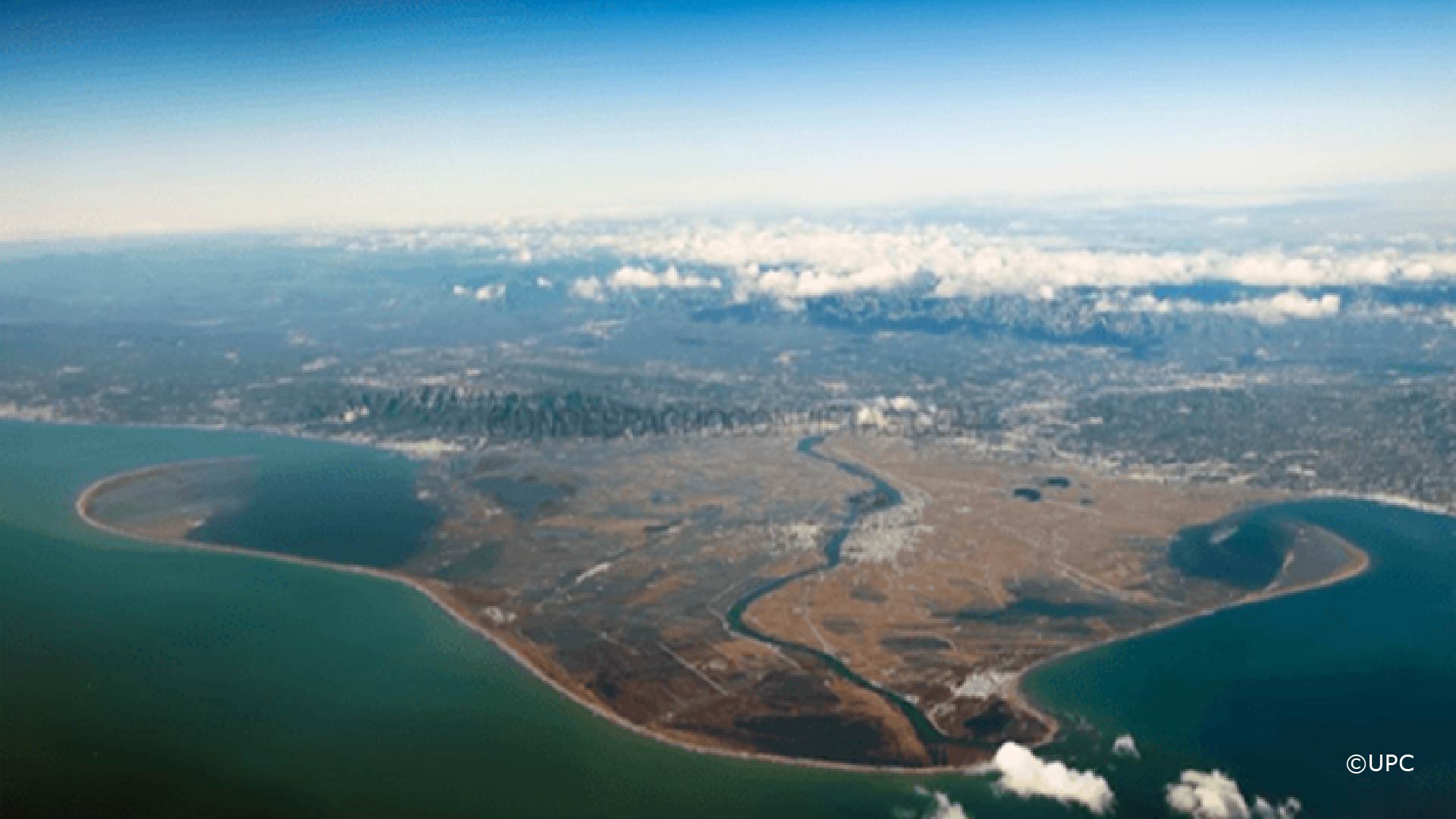
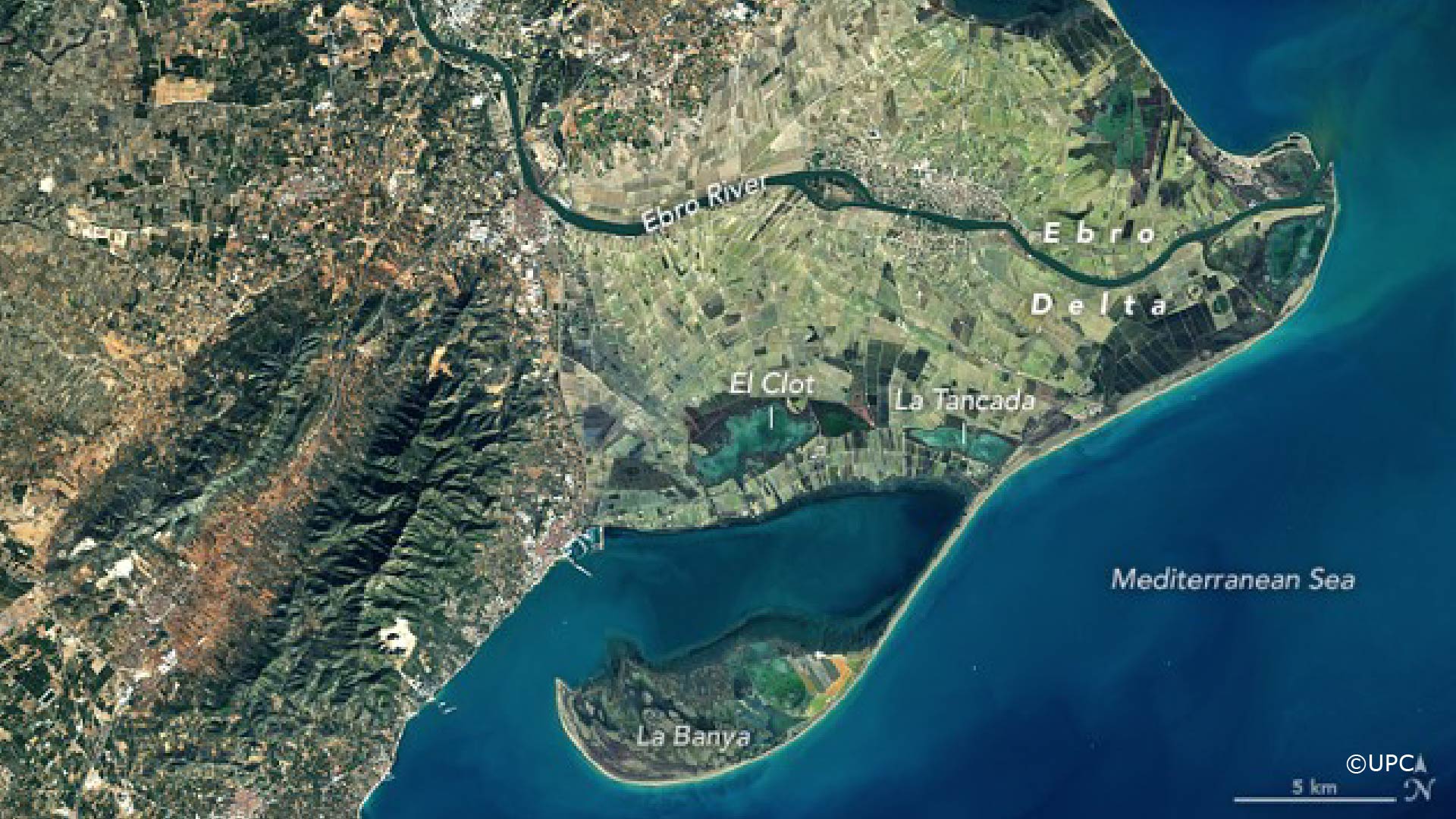
The Hydro-MED project aims to gain new physical insights into river-sea connectivity in the Ebro Delta (Mediterranean Sea) and how this is affected by flow management within the Ebro River, and by coastal hydrodynamics, sediment transport and morphodynamic evolution at the river mouth.


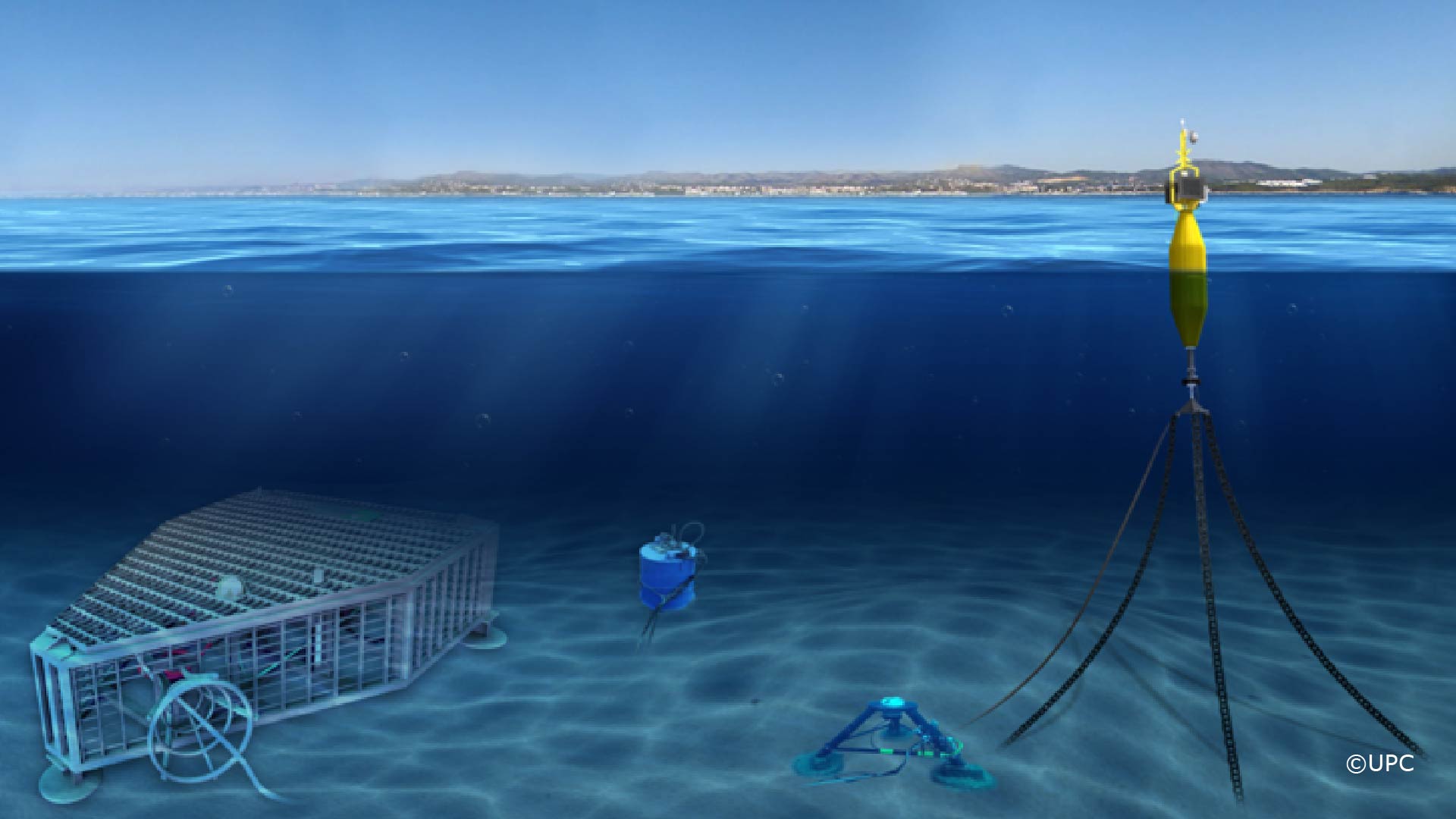
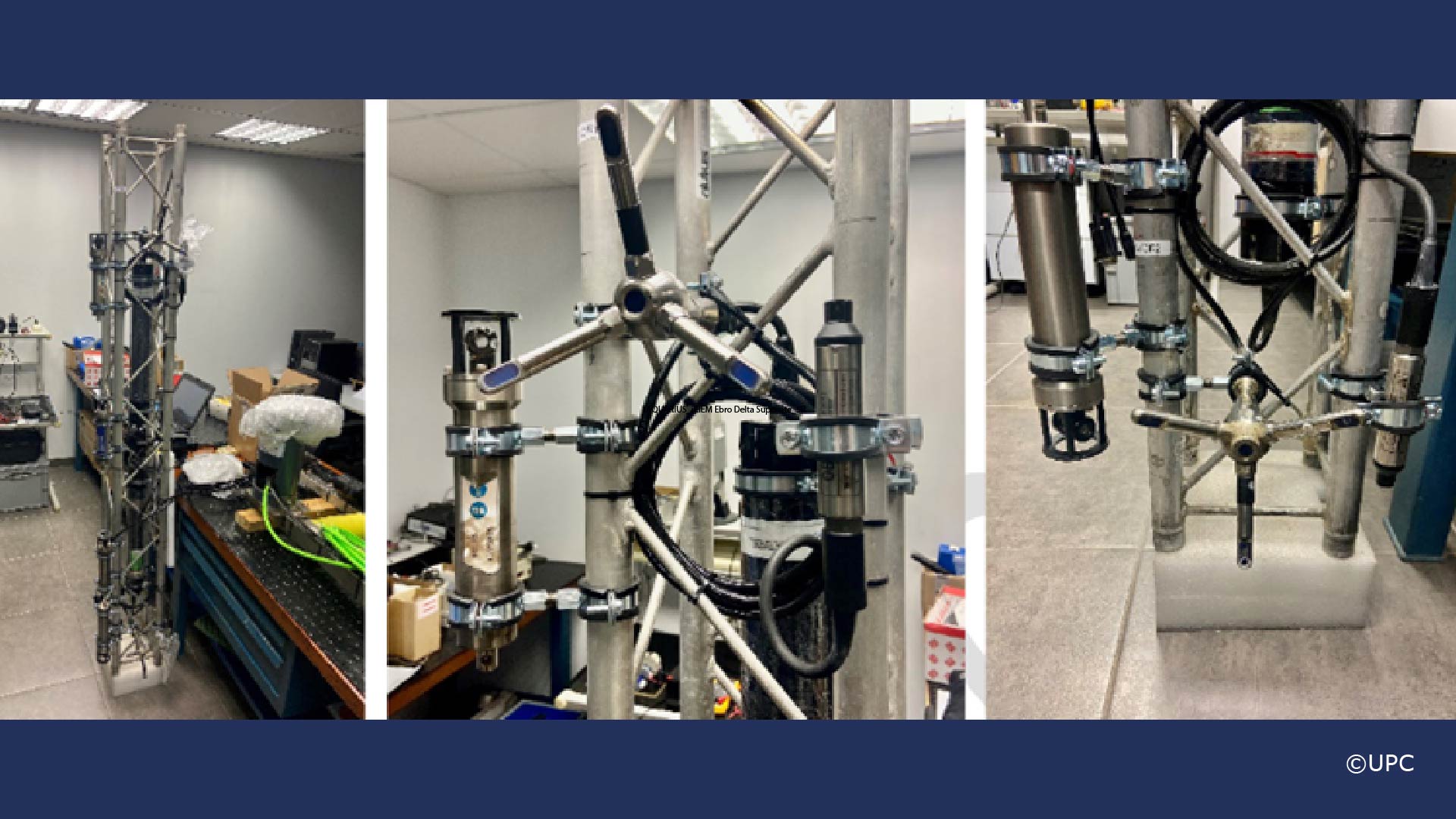
Research Infrastructure Used: iCIEM Ebro Delta Supersite
“Hydro-MED is a unique opportunity to study key hydrodynamic, morphodynamic and eco-hydraulic factors controlling river-sea connectivity within the Ebro Delta (Mediterranean Sea). It aims to provide new physical insights into the water, sediment and pollution exchanges in the region and their impacts on sensitive coastal ecosystems and protected lagoonal environments. ”
Alan Cuthbertson, University of Dundee


The Hydro-MED project aims to gain new physical insights into river-sea connectivity in the Ebro Delta (Mediterranean Sea) and how this is affected by flow management within the Ebro River, and by coastal hydrodynamics, sediment transport and morphodynamic evolution at the river mouth. This connectivity determines the dynamics of water mass and sediment exchange, and impacts on pollution accumulation and transfer within the Ebro River estuary and wider Delta region (i.e. protected shallow lagoons and adjacent coastal margins). The lower Ebro River is a characteristic salt-wedge estuary with a stable saline-water intrusion layer that extends upstream (up to 32 km) from the river mouth. The presence and persistence of this salt-wedge increases water residence times (i.e. bottom stagnation) along the estuary, leading to poor water quality (i.e. low dissolved oxygen levels, nutrient and pollution accumulation) that can impact adversely on sensitive ecosystems and biodiversity. Significant knowledge gaps remain around how evolving morphodynamics at the river mouth influences exchange flow dynamics and processes crucial to the transport of sediments, nutrients and pollutants between the estuary, protected lagoons and open coastal waters. Additionally, the response of the estuarine system to rapid or unexpected environmental events (e.g. controlled, high-magnitude freshwater releases and/or storm events in the Mediterranean) remains to be fully established and verified.
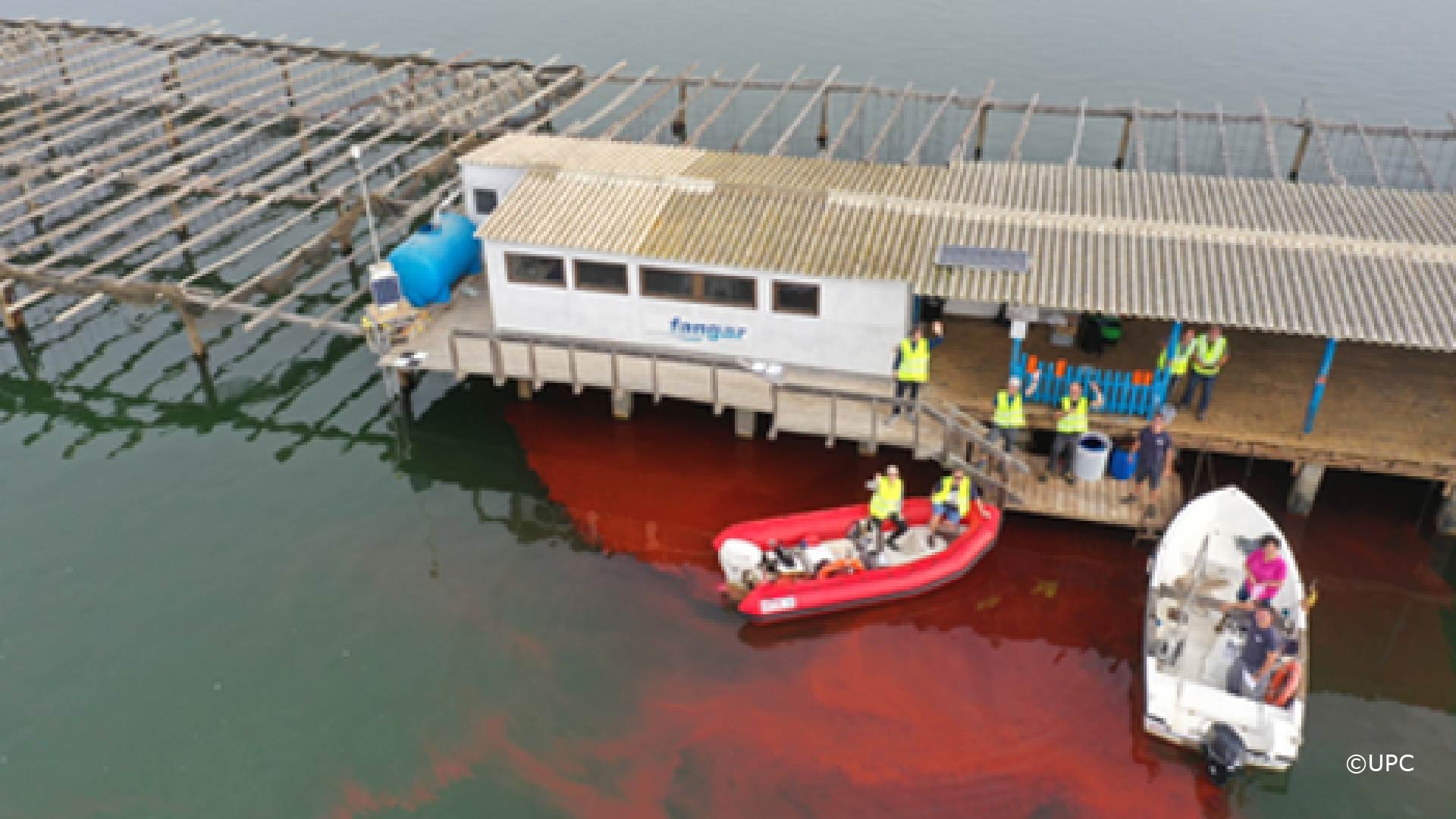
Hydro-MED will undertake two field monitoring campaigns, with shorter field monitoring periods capturing seasonal variability and responses to high magnitude events within the Ebro Delta region throughout the 11 month project duration. Two longer field surveys will also be undertaken during autumn 2026 and spring 2027 for extended periods of data collection focused on assessing terrestrial pollution sources, transport pathways and retention zones, and their impacts on sensitive coastal ecosystems within the Ebro Delta. All field monitoring campaigns will include CTD, OBS (turbidity), ADV/ADCP and multibeam echo sounder (bathymetry) measurements, while longer field surveys will also include fluorescence experiments, surface and neutral-buoyancy Lagrangian buoy tracking, water and sediment sampling, and sediment transport measurements. The collected data will provide new insights into water mass exchange, sediment dynamics and pollution transport and redistribution within the Ebro Delta. This will also provide essential data to (i) calibrate and verify nested regional and local numerical models of the Ebro Delta, and (ii) support development of a new hydraulic tool for the rapid assessment of event-driven and climate-driven changes to exchange flow dynamics, evolving salt-wedge characteristics, and river-sea connectivity within the region.

MORE INFORMATION
AQUARIUS TA Project Name:
Monitoring Hydro-Morpho-Eco Dynamics in the Ebro Delta (Mediterranean Sea): Assessing their role in the transport of pollutants and nutrients in a salt-wedge estuary
Project acronym:
Hydro-MED
TA Project Unique ID:
58
Partners involved:
• University of Dundee
• Tallinn University of Technology
• Politecnico di Bari
• University of Sheffield
• Loughborough University
Start date
15 June 2026
End date
14 May 2027
Mission Lighthouse Region
Mediterranean Sea
Work/research geographical
area
Ebro River estuary, Ebro Delta, Balearic Sea, Mediterranean Sea, 40.72417947021801, 0.865593882195017.
Names of RI facilities used
iCIEM Ebro Delta Supersite
Scientific discipline(s)
Earth Sciences & Environment: Marine science/Oceanography
Principal Investigator
(PI) Affiliation
Alan Cuthbertson, University of Dundee


