AQUARIUS Funding Call – Marine and Freshwater Infrastructure Access: Open 02 September 2025 – 28 October 2025
AQUARIUS Funding Call – Marine and Freshwater Infrastructure Access: Open 02 September 2025 – 28 October 2025
AQUANIMF aims to advance understanding of how marine wildlife responds to combined underwater noise by improving knowledge of both acoustic energy in the water column and its biological effects.



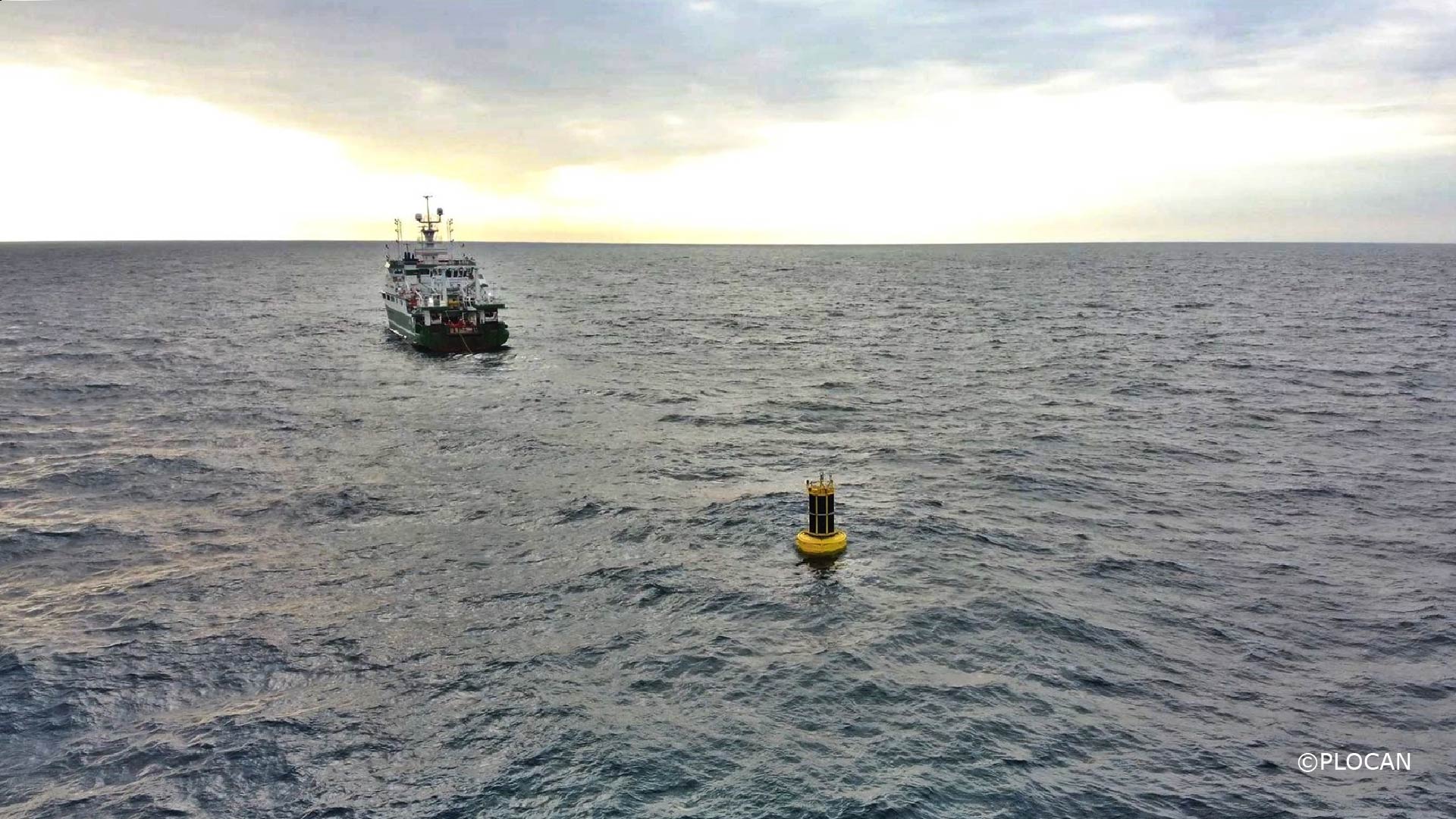
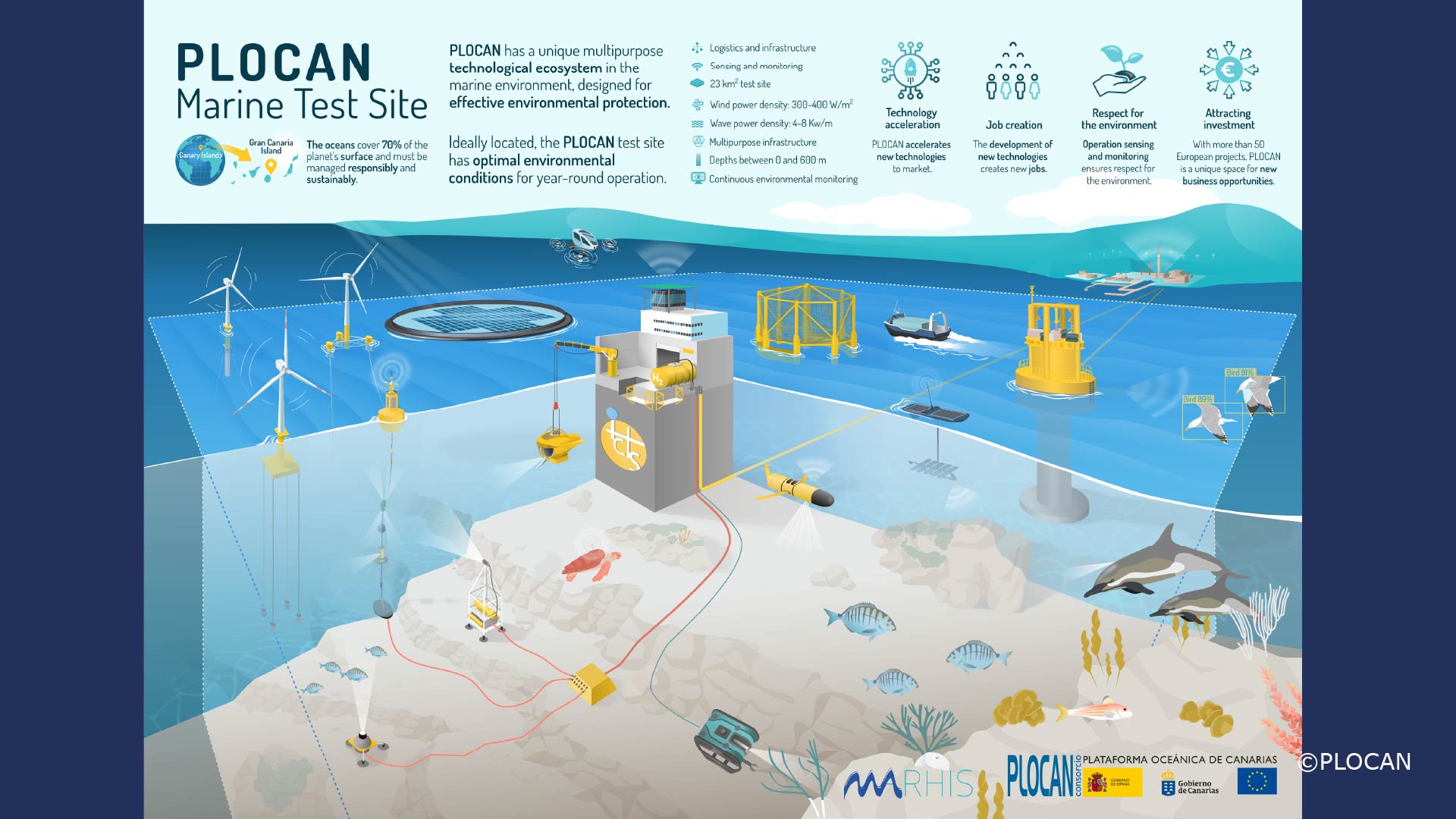
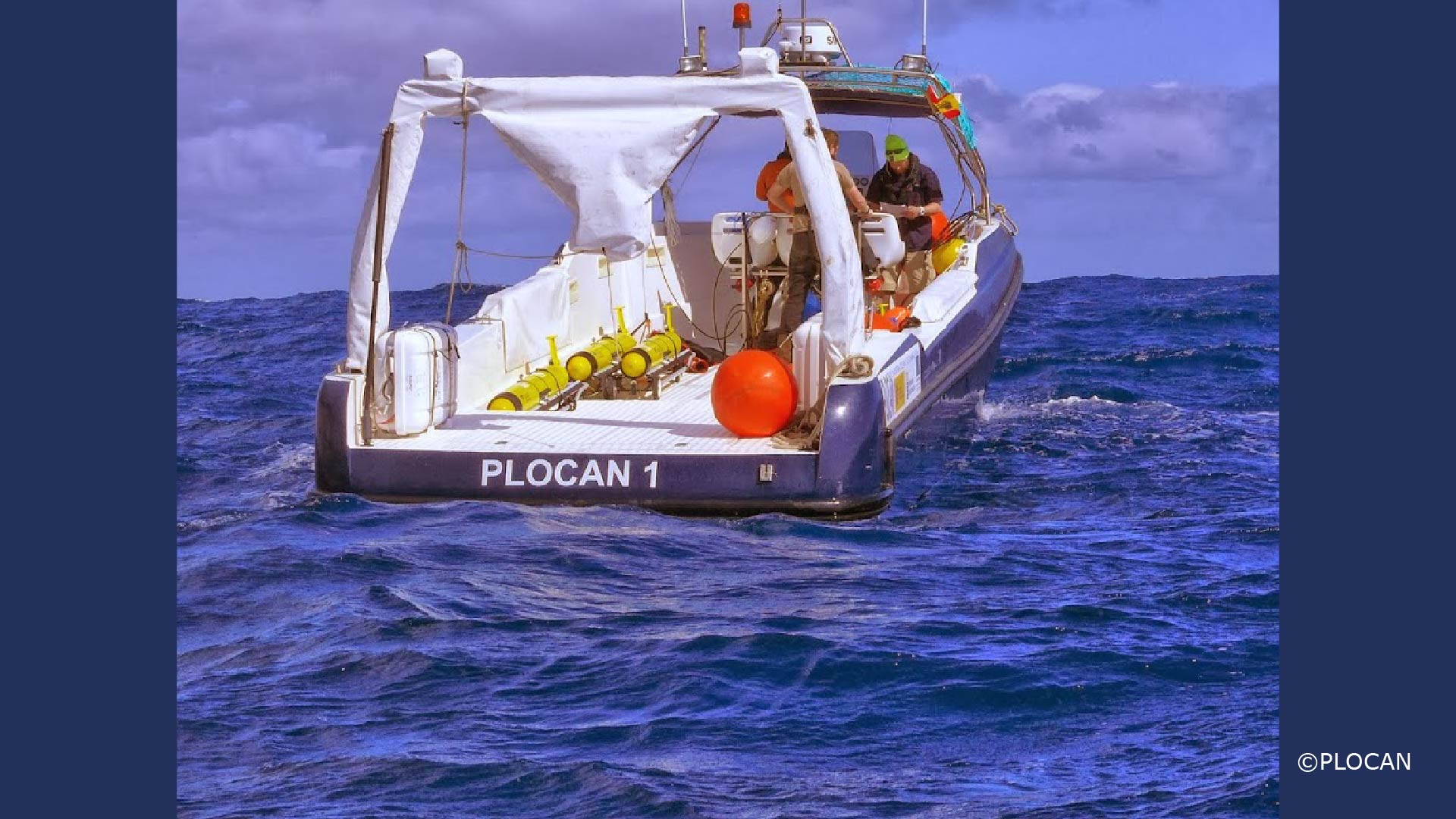
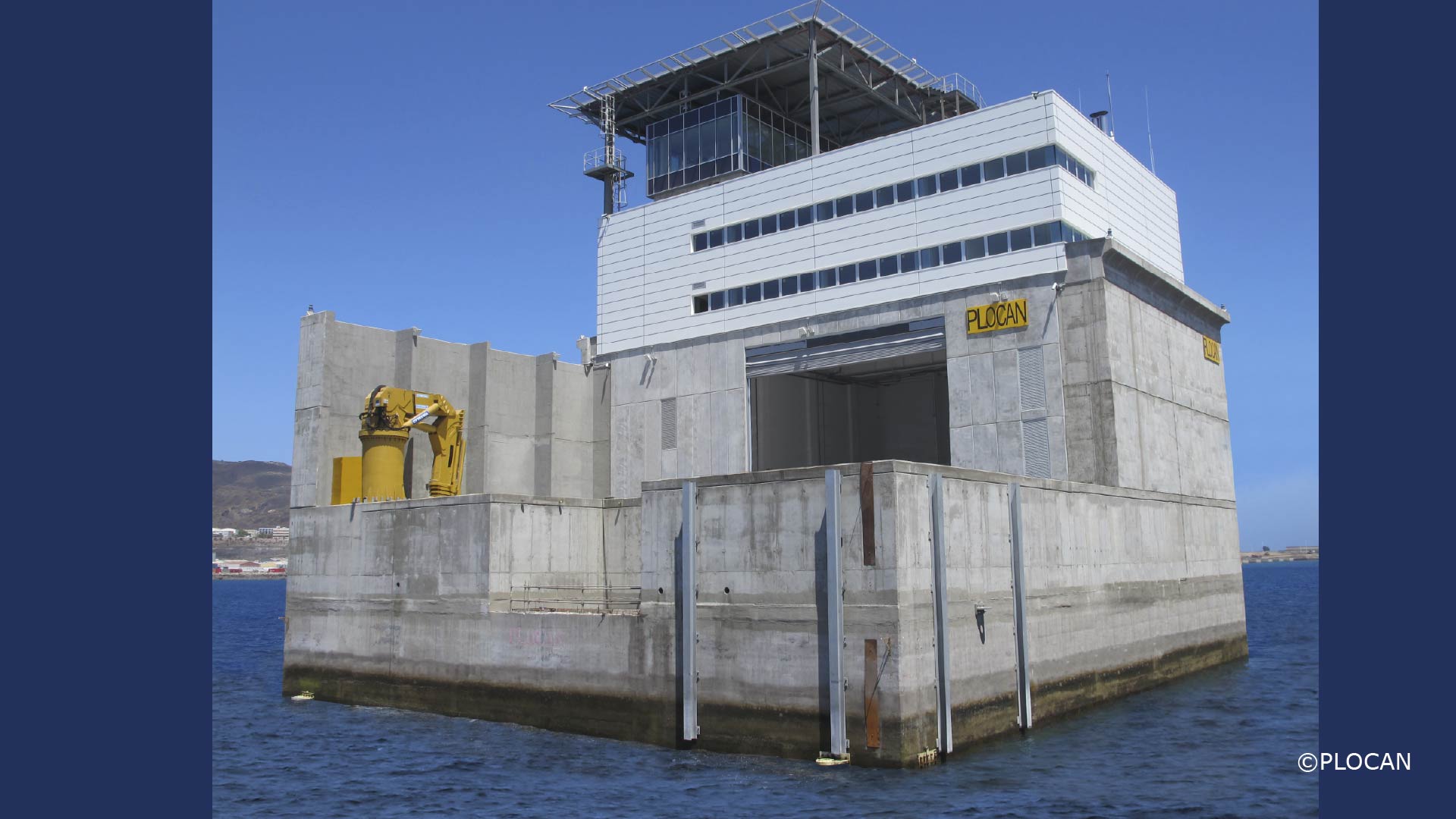
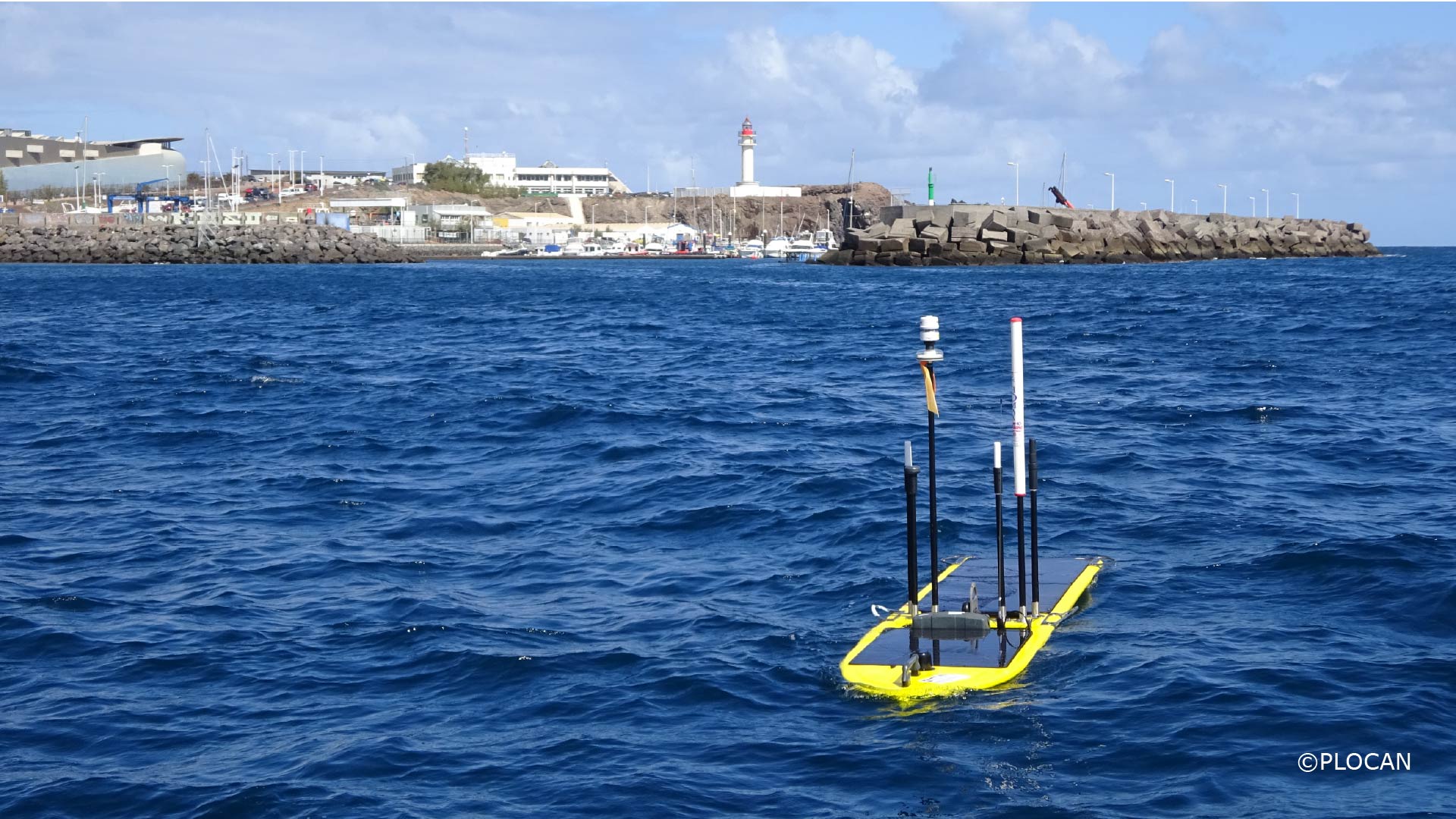
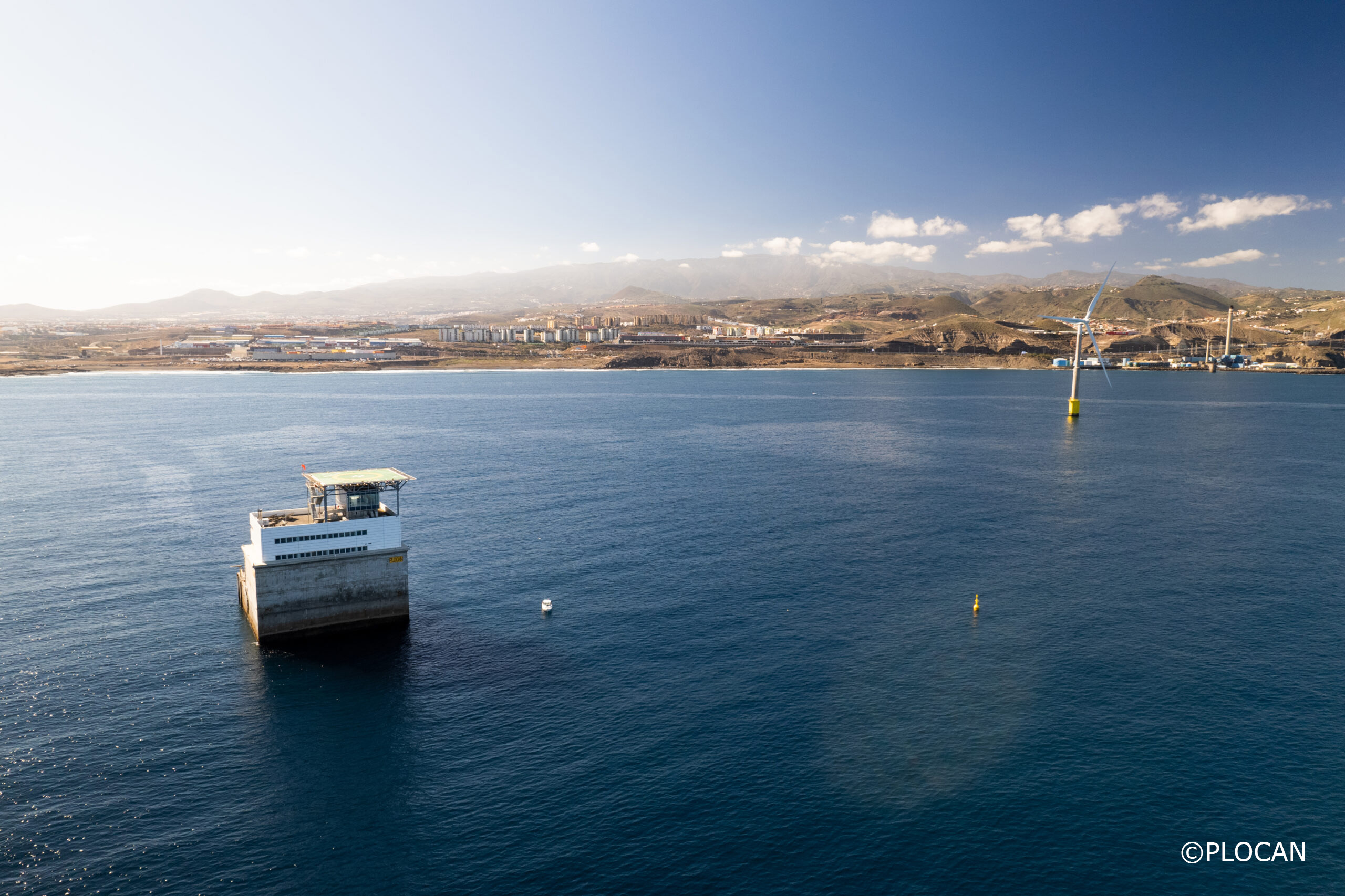
Research Infrastructure Used: W1M3A, PLOCAN Test Site
“AQUANIMF brings together acoustic monitoring and marine ecology to uncover how increasing underwater noise affects the presence of species, behaviour, and migration, including swim-bladdered fish that do not emit sounds yet can be detected through passive acoustics.
The ocean is speaking — are we listening?”
Aliaksandr Lisimenka, Gdynia Maritime University
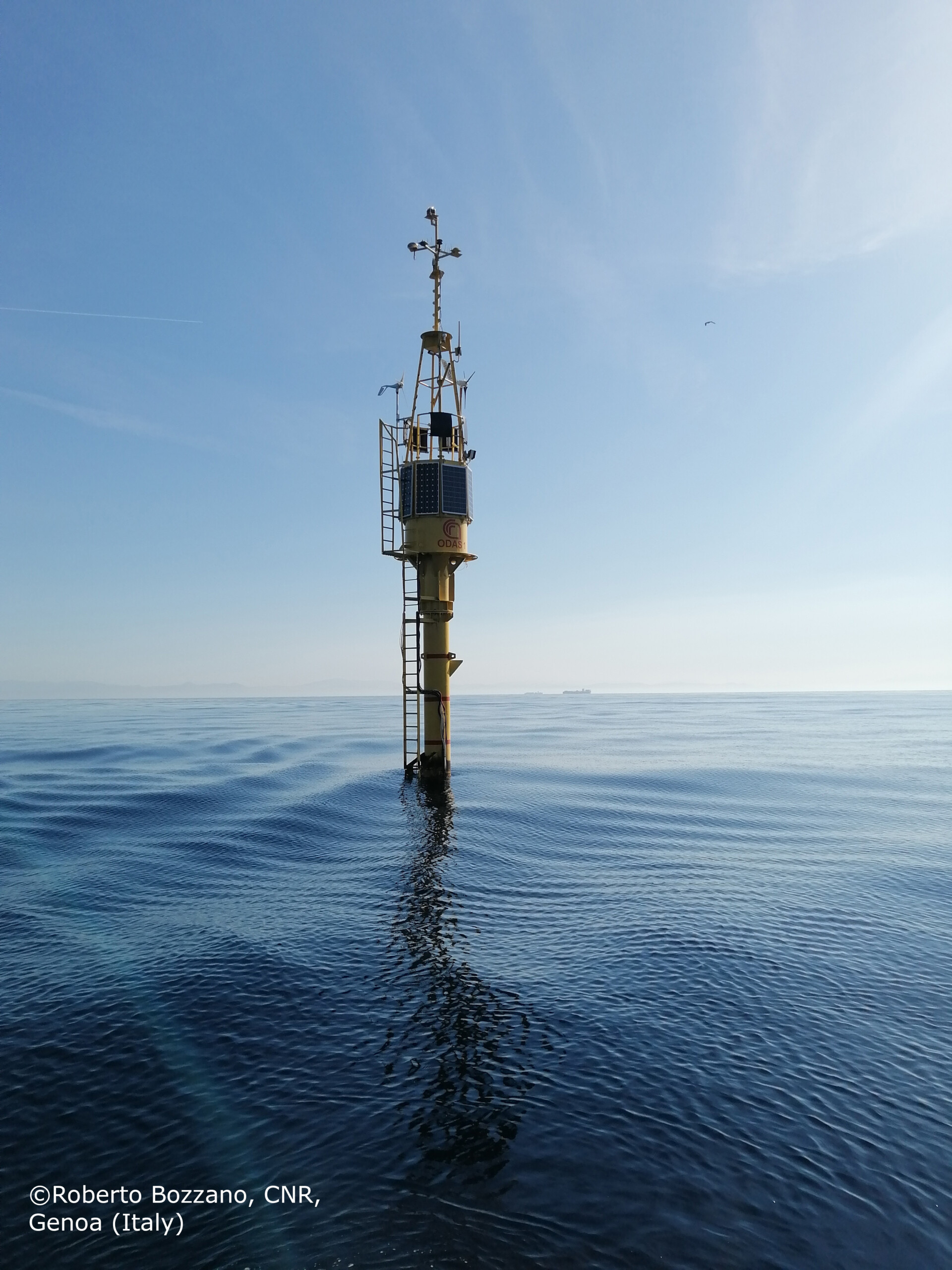
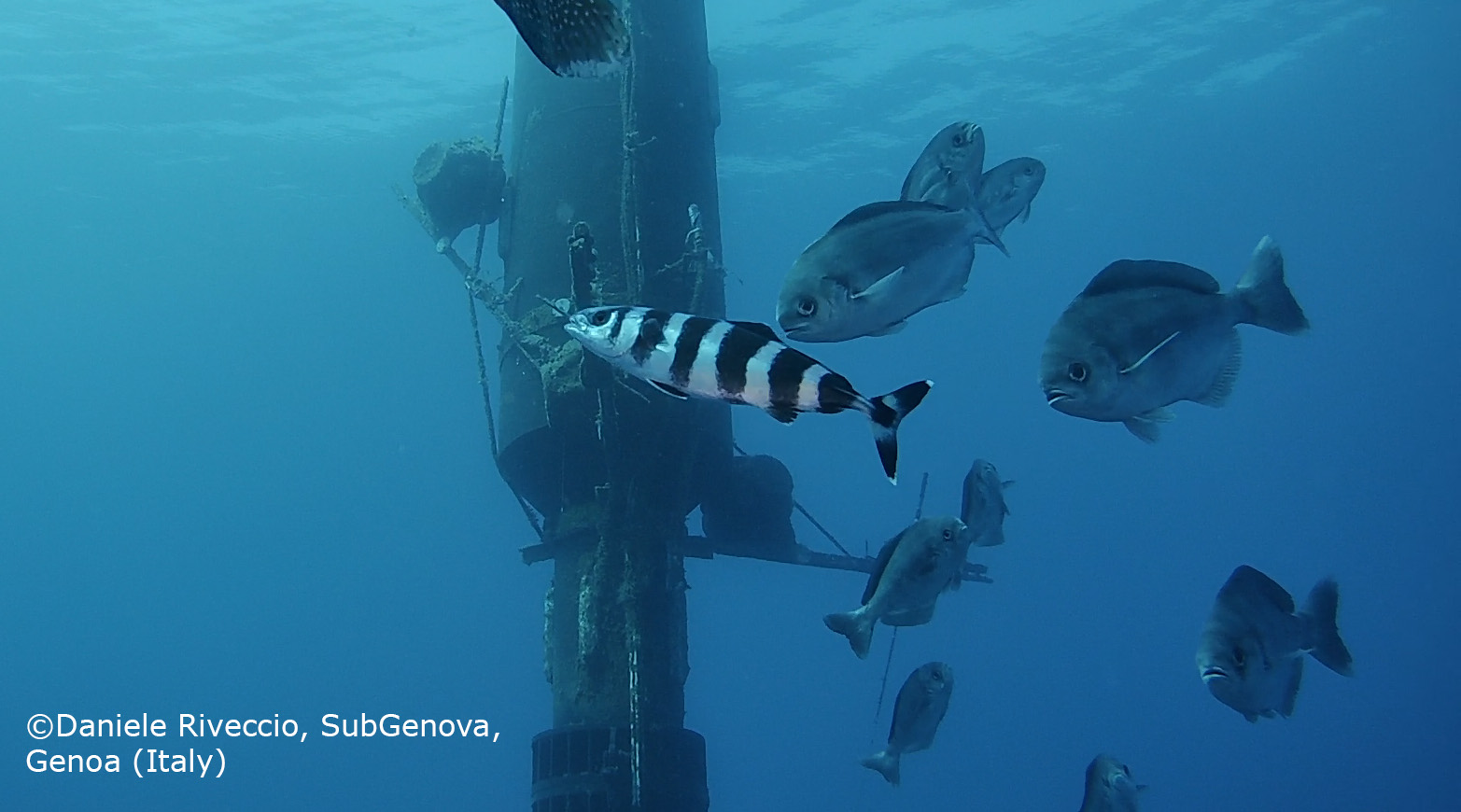
AQUANIMF aims to advance understanding of how marine wildlife responds to combined underwater noise by improving knowledge of both acoustic energy in the water column and its biological effects. Marine soundscapes arise from anthropogenic sources—such as shipping and offshore activities—and natural processes including wind, waves, and seismic events, all of which can influence ecosystem functioning.
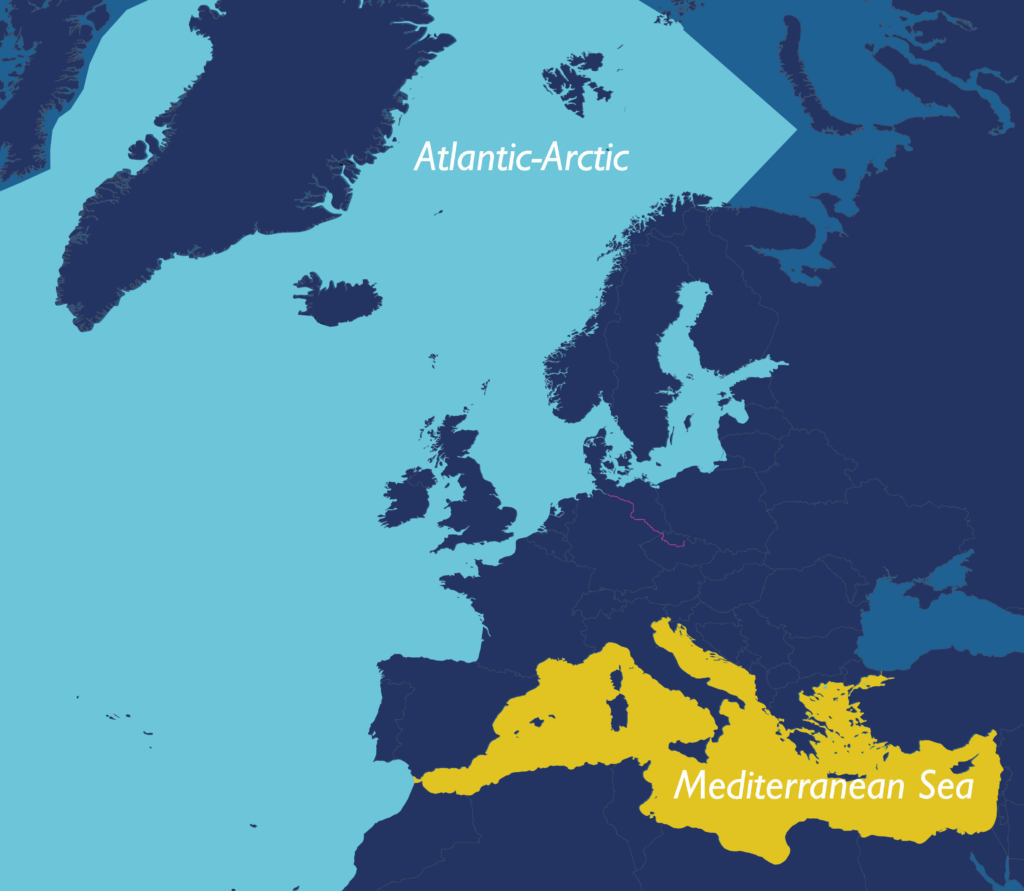
The project focuses on the impact of noise on zooplankton and swim-bladdered fish, including changes in migratory patterns and behaviour (e.g., communication, foraging, and avoidance responses), with potential cascading effects on marine ecosystems in the Mediterranean Sea and the Atlantic Ocean.
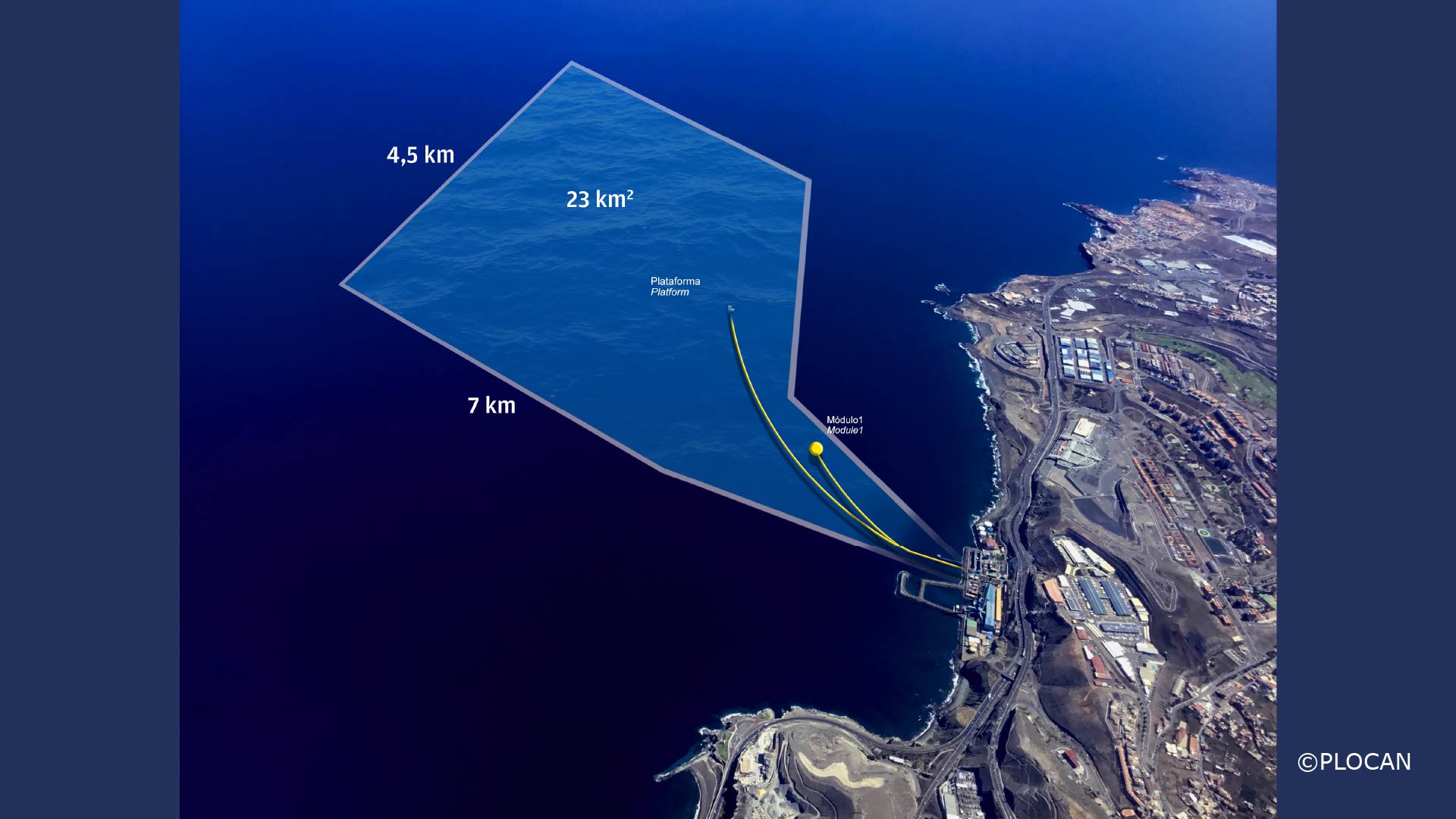
Using passive acoustic monitoring, AQUANIMF detects biological presence and assesses responses to noise at two research infrastructures: the W1M3A EMSO observatory (North-Western Mediterranean) and the PLOCAN observatory (Atlantic Ocean).
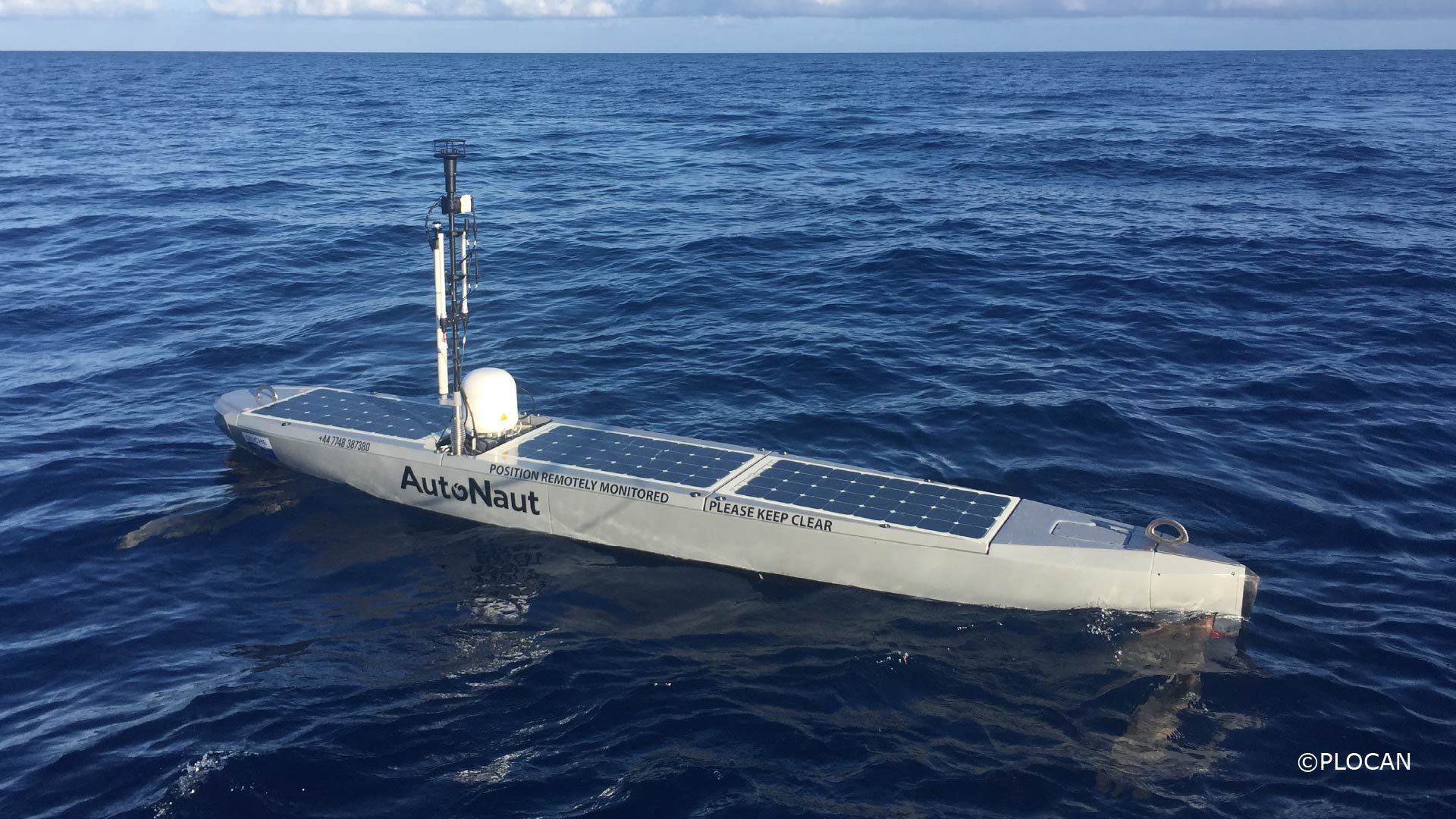
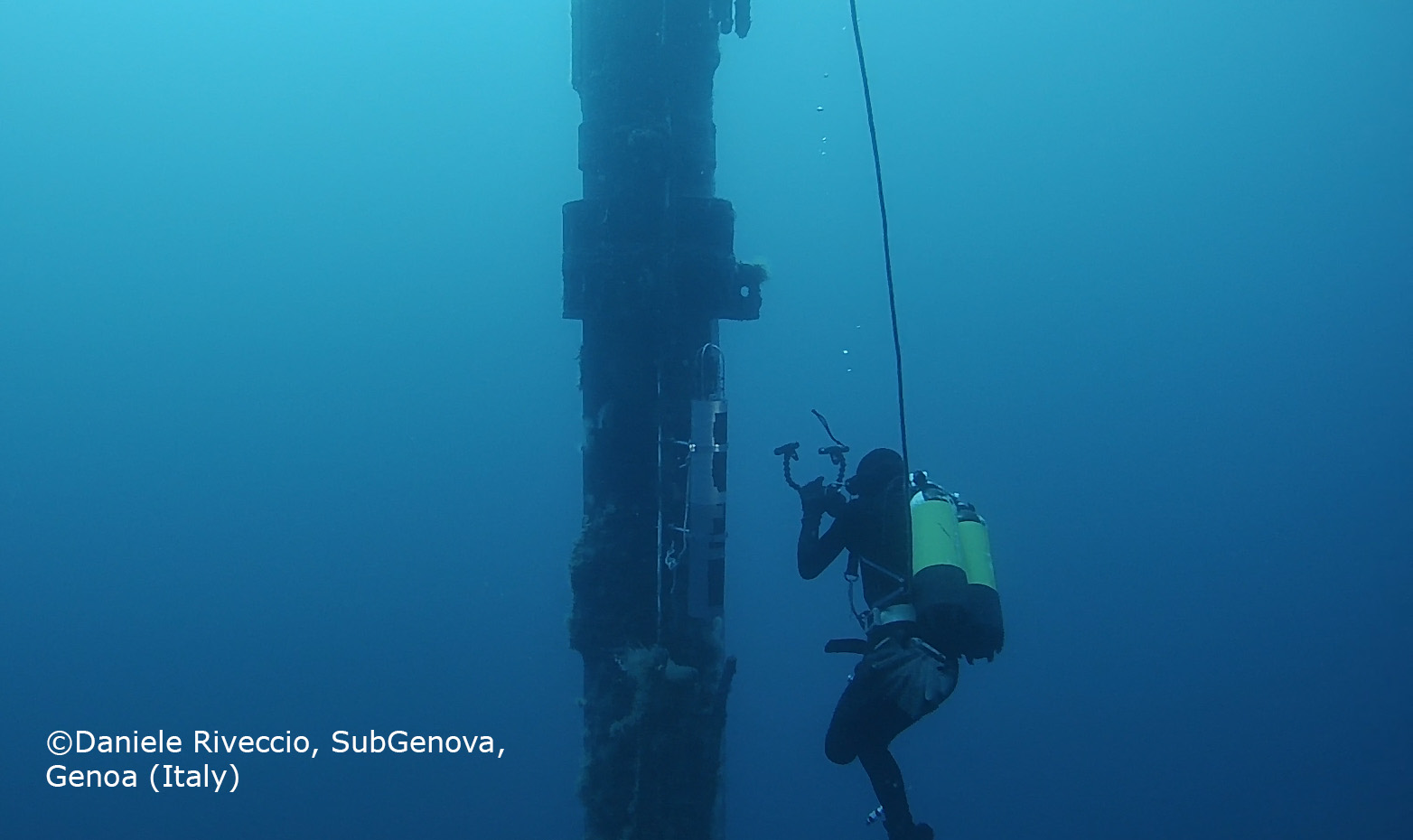
Two experimental campaigns are planned. At W1M3A, hydrophones and FPODs will characterize seasonal soundscape variability and noise–wind relationships within the Pelagos Sanctuary, analysing anthrophony, geophony, and biophony. At PLOCAN, hydrophones, FPODs, and an acoustic zooplankton profiler will investigate ambient sound properties and enable passive detection of marine organisms.
AQUANIMF combines innovative acoustic techniques with multi-site observations to improve understanding of sound-driven ecological processes and support mitigation of underwater noise impacts.
MORE INFORMATION
AQUARIUS TA Project Name:
Acoustic Quality and impact of UnderwAter NoIse on Marine Fauna
Project acronym:
AQUANIMF
TA Project Unique ID:
66
Partners involved:
• Gdynia Maritime University
• Klaipeda University
• Consiglio Nazionale delle Ricerche (CNR)
• Oceanic Platform of the Canary Islands (PLOCAN)
Start date
15 July 2026
End date
31 October 2027
Mission Lighthouse Region
Atlantic-Arctic; Mediterranean Sea
Work/research geographical
area
• Pelagos Sanctuary (Ligurian Sea)
• Gran Canaria continental shelf (Atlantic Ocean)
Names of RI facilities used
W1M3A, PLOCAN Test Site
Scientific discipline(s)
Marine science / Acoustical oceanography
Principal Investigator
(PI) Affiliation
Gdynia Maritime University