In this Edition
- A Word from Our Coordinator
- New Training Opportunities in 2026!
- Funding Call 2 Closed – What comes next?
- Funded Projects: Paradigm Shift in Phycotoxin Monitoring: The AQUARIUS-Funded ASTRA Project Leads the Way
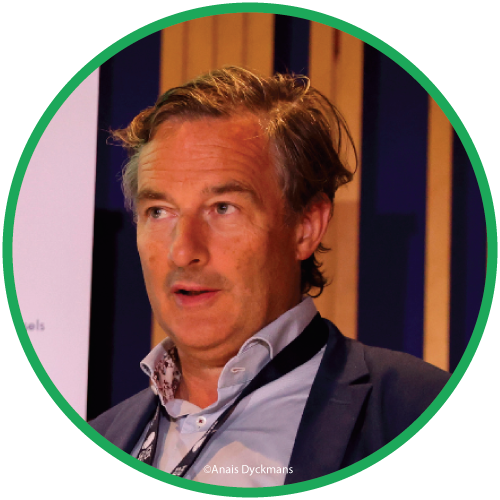
- Q&A with AQUARIUS Project Coordinator, Aodhán Fitzgerald
- Call for Scientific Experts
- Come meet us in 2026!
AQUARIUS is a Horizon Europe-funded project with the aim to provide access to a comprehensive and diverse suite of integrated research infrastructures to address challenges and explore opportunities for the long-term sustainability of our marine and freshwater ecosystems.
A Word from our Coordinator, Aodhán Fitzgerald
The past months have marked another strong phase of delivery for AQUARIUS. Our second Transnational Access Funding Call is now closed following an excellent response from applicants, underlining the continued demand for access to top-tier marine and freshwater research infrastructures.
As we approach the end of our second year in February, we are excited to launch new training opportunities for 2026. These include a hands-on Glider Deployment training delivered by SOCIB, as well as a new Floating University aboard RV SVEA delivered by The Swedish University of Agricultural Sciences (SLU). In parallel, our offer of marine and freshwater internships remains open, enabling early career scientists to join AQUARIUS funded projects and contribute directly to ongoing research activities across Europe.
A growing number of AQUARIUS funded projects are now underway. We highlight one such project in this newsletter, offering a look at the scientific work made possible through AQUARIUS.
Looking ahead to 2026, we anticipate a year focused on impact and consolidation, as the current Transnational Access projects advance and new projects are funded. We look forward to continuing this momentum and to supporting research that delivers lasting value for the wider marine and freshwater community.

AQUARIUS continues to expand its training offer, providing hands-on learning opportunities for scientists and technicians working across marine and freshwater systems. Applications are now open for the following 2026 activities:
PLOCAN Glider Summer School
Canary Islands, Spain – A practical course on glider operations and data workflows, taking place in September–October 2026.
More info

Floating University aboard RV Svea
Lysekil, Sweden – An immersive at-sea training programme in the Baltic Sea, running June–July 2026 and led by the Swedish University of Agricultural Sciences (SLU).
More info

Marine and Freshwater Internships
Short-term placements across the AQUARIUS infrastructure network, published on a rolling basis as opportunities become available.
More info

What does an AQUARIUS training look like in practice?
Curious about the hands-on experience these programmes offer? We invite you to explore a recent example from the INFOMAR Seabed Mapping Training Programme. In October, AQUARIUS delivered a dedicated at-sea training programme for hydrographic surveyors and seabed mappers in collaboration with HydroOctave and INFOMAR. Hosted aboard the Marine Institute’s research vessel Tom Crean, the programme provided participants with direct, operational experience using industry-standard multibeam echosounder (MBES) systems, combining classroom instruction with real-world seabed mapping at sea.

We had an exceptional response to our second Transnational Access Funding Call with 42 applications from teams spanning 17 countries and 11 disciplines, reflecting the international and interdisciplinary reach of the AQUARIUS community.
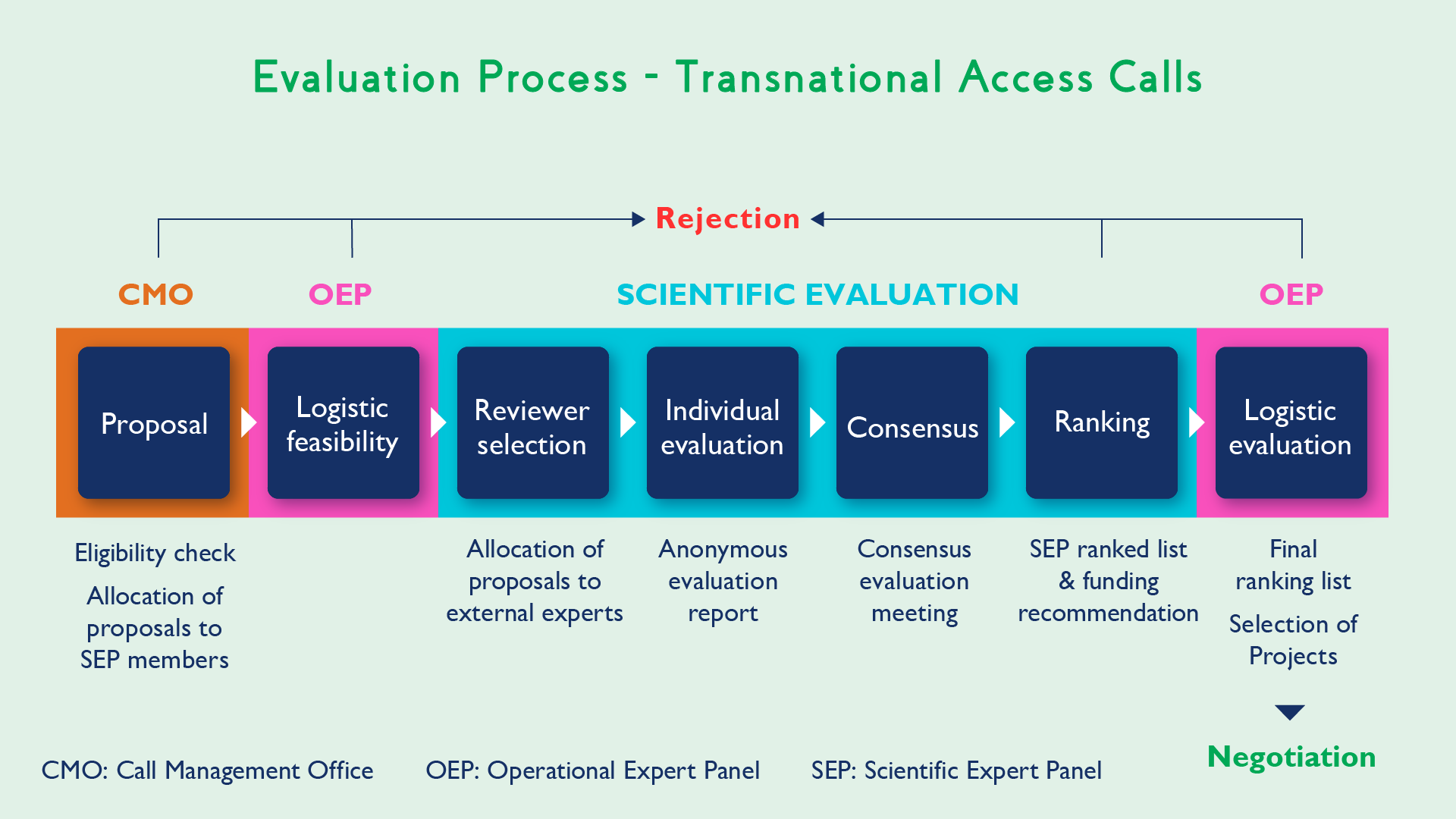
So, what comes next in the process? The scientific evaluation phase, where all eligible proposals will undergo a review by external, independent experts, overseen by the AQUARIUS Scientific Expert Panel (SEP).
Following this evaluation, a final selection of projects will be made, with successful applicants notified in due course. Further details on the proposal review, evaluation, and selection procedure are available on the AQUARIUS website, and updates on the progress of Call 2 will be shared via our website and social media channels.

Our first Transnational Access Funding Call enabled 11 projects to access carefully selected research infrastructures from the AQUARIUS catalogue, supporting ambitious scientific research. In this newsletter, we highlight the ASTRA project.
Paradigm Shift in Phycotoxin Monitoring: The ASTRA Project Leads the Way
Phycotoxins pose a serious threat to human and animal health, as they can build up in shellfish and fish and cause poisoning when consumed. In humans, they can lead to severe gastrointestinal symptoms as well as neurological effects. These toxins cannot be removed by cooking or freezing, making prevention and early monitoring essential. This was the challenge taken up by the ASTRA project.


We spoke with Project Coordinator Aodhán Fitzgerald to discuss how the project is evolving as we approach the second-year mark, what makes it unique, and what comes next as the AQUARIUS-funded projects prepare to launch their research activities across Europe.


AQUARIUS is building a diverse pool of scientific reviewers to evaluate proposals submitted to its second Transnational Access Funding Calls. We are inviting experienced scientists from fields related to the atmosphere, earth, marine and freshwater, to register in our expert database.
Join the AQUARIUS expert pool today, and help shape the future of collaborative environmental research.


4th Annual Mission Ocean & Waters Forum 2026
5th March 2026, Brussels, Belgium
EGU General Assembly
3 – 8 May 2026, Vienna, Austria
EuroGOOS International Conference 2026
18-20 May 2026, Cyprus
European Maritime Day (EMD) 2026
21 -22 May 2026, Cyprus
ERVO Meeting
8 – 10 June 2026, Trieste, Italy


Thank you for reading our first newsletter. If you have any comments of suggestion, please contact us at hello @aquarius-ri.eu.
If you have enjoyed learning about the AQUARIUS project, please help us spread the word and share the subscription link with your networks.