Europe has a strong foundation in marine biological research, but its capacity to observe ocean health at scale remains structurally limited. European research and observation heavily rely on sensors and other technologies manufactured outside Europe, exposing marine observation initiatives to supply chain disruptions and geopolitical risks.
To build a resilient Blue Economy, Europe must reinforce its technological sovereignty in ocean observation. Much like modern meteorology, marine biological observation must become a strategic priority for decision-makers.

Research infrastructures across Europe provide the necessary building blocks for this transition. To discuss how Europe can bridge the gap between academic research and industrial application, we spoke with Dr Nicolas Pade, Executive Director of the European Marine Biological Resource Centre (EMBRC-ERIC). With 10 years of experience working with research infrastructures at both national and international levels, Nicolas brings extensive expertise to this discussion. He holds a PhD from the University of Aberdeen, where his research focused on the molecular and spatial ecology of marine top predators.
EMBRC-ERIC are a partner in AQUARIUS and provide transnational access to their diverse facilities through the AQUARIUS calls.
Why is ocean observation becoming increasingly important for Europe?
Just as we rely on modern forecasting to anticipate weather shifts, we need systematic marine biological observation to better understand and predict ocean health. Pressures on our marine environment are rising rapidly, requiring reliable and accessible data to anticipate changes and risks. Through our genomics know-how, we can generate robust data that can inform decision-makers. Policies and management decisions grounded in scientific evidence directly strengthen monitoring for more sustainable aquaculture and fisheries, safeguard ecosystems, and foster opportunities across the Blue Economy.
What does "technological sovereignty" in ocean observation mean?
Today, Europe heavily depends on important ocean observation technologies, such as sensors, manufactured outside the region. This exposes marine observation programmes to supply chain disruptions, trade barriers, and geopolitical risks that push prices up and hinder scalability. It also means accepting sensors that do not necessarily cover our needs. Achieving technological sovereignty means strengthening Europe’s own capabilities to reduce these vulnerabilities, while creating the conditions to develop and deploy technologies tailored to research needs and observing systems in Europe.
What challenges does Europe face in developing this capability?
Europe has excellent scientific expertise, but moving from research to market remains a key challenge. Innovation often develops through individual projects, without the continuity or investment needed to turn promising technologies into products that can be deployed at scale. We need stronger connections between researchers, companies, and investors to bridge this gap.
It’s also a question of market demand. Without stronger demand for marine observation instruments, a competitive European tech sector cannot thrive. Europe is home to highly capable companies developing this innovation, but they require clear political signals and long-term investment commitments to scale up production.
How do you propose to bridge those gaps between academia and industry?
Academia and industry must work closer together from the very beginning of the technology development lifecycle. Connecting scientific knowledge with private sector ambitions early in the process helps develop technologies that meet real-world needs and have a better chance of reaching the market.
What specific role do Research Infrastructures (RIs) play in this scheme?
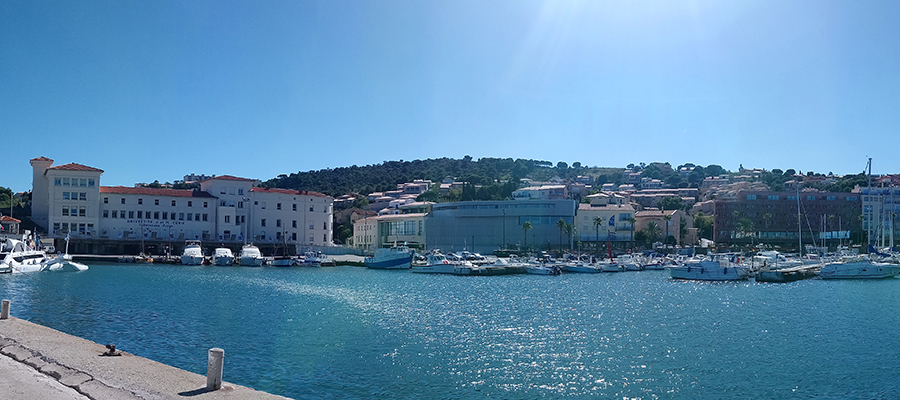
RIs provide the foundational building blocks for this collaboration. They are vital connectors, bridging specialised facilities, cutting-edge technologies, and expert teams with the innovators who need them. At EMBRC, we facilitate access to the technologies and expertise that private sector actors need to develop and test their products. Our network of marine stations across Europe provides real-world settings where researchers can validate their findings and assess how technologies perform in practice, helping bridge gaps between research and application, thus encouraging collaboration. RIs ultimately act as match-makers, helping companies find the expertise they need.
How do EU frameworks like Transnational Access (TA) support this vision?
Collaborative European initiatives are essential to overcoming regional fragmentation. European funding mechanisms help make Europe’s research infrastructures and expertise accessible across borders. Through Transnational Access (TA) calls for example, researchers from both academia and the private sector can receive funding to access data and facilities, giving them access to advanced and specialised equipment.
By opening access to cross-border expertise, European funding also helps reinforce the scientific and technical foundations for future local innovation in marine observation.
Partnering in projects like AQUARIUS, EMBRC supports researchers with funded, accessible services across Europe, driving innovation for a healthy and sustainable ocean environment.
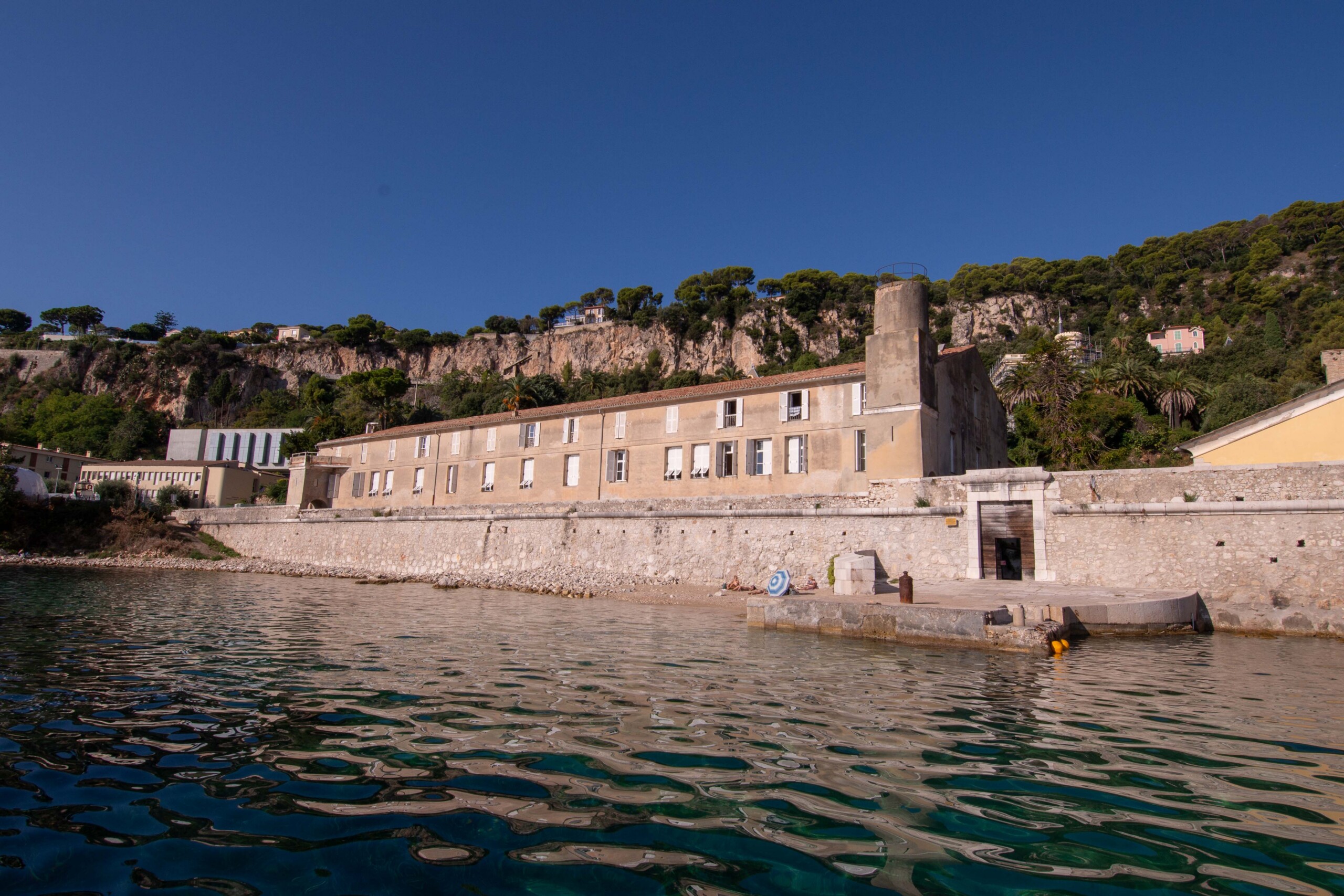
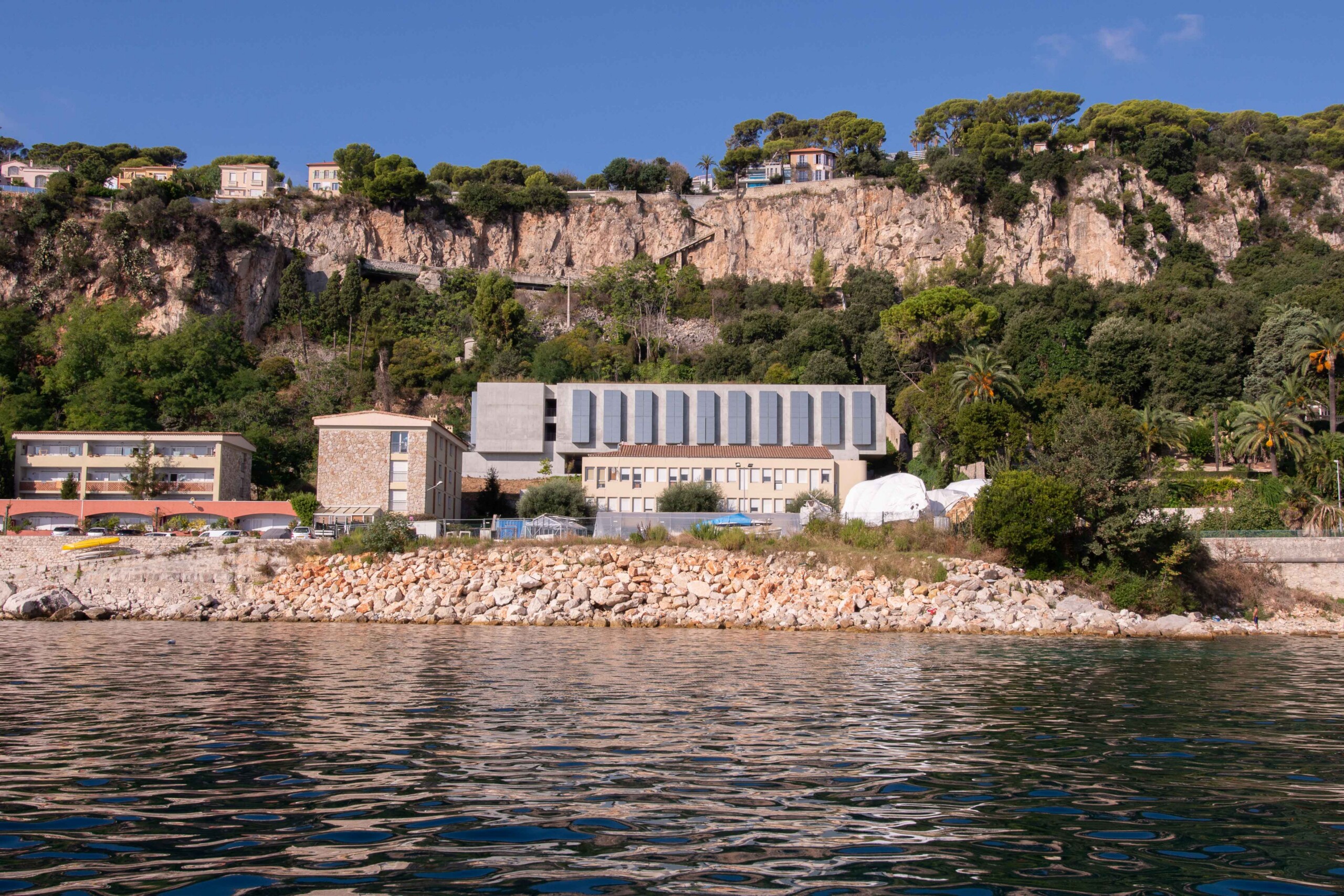
Through AQUARIUS TA calls, GeoConMed and MULTI-CYN projects accessed EMBRC facilities to accelerate their research. At EMBRC-OOB (Observatoire Océanologique de Banyuls-sur-Mer), GeoConMed advanced coastal research and biological monitoring while MULTI-CYN investigated how ocean warming acidification affects greenhouse emissions and carbon cycling in Mediterranean seagrass meadows via EMBRC-IMEV (Institut de la Mer de Villefranche).

About the Interviewee
Dr. Nicolas Pade is the current Executive Director of the European Research Infrastructure EMBRC-ERIC. He has been working in the field of research infrastructures for 10 years, both at the national and international level. Nicolas holds a PhD from the University of Aberdeen in molecular and spatial ecology of marine top predators.