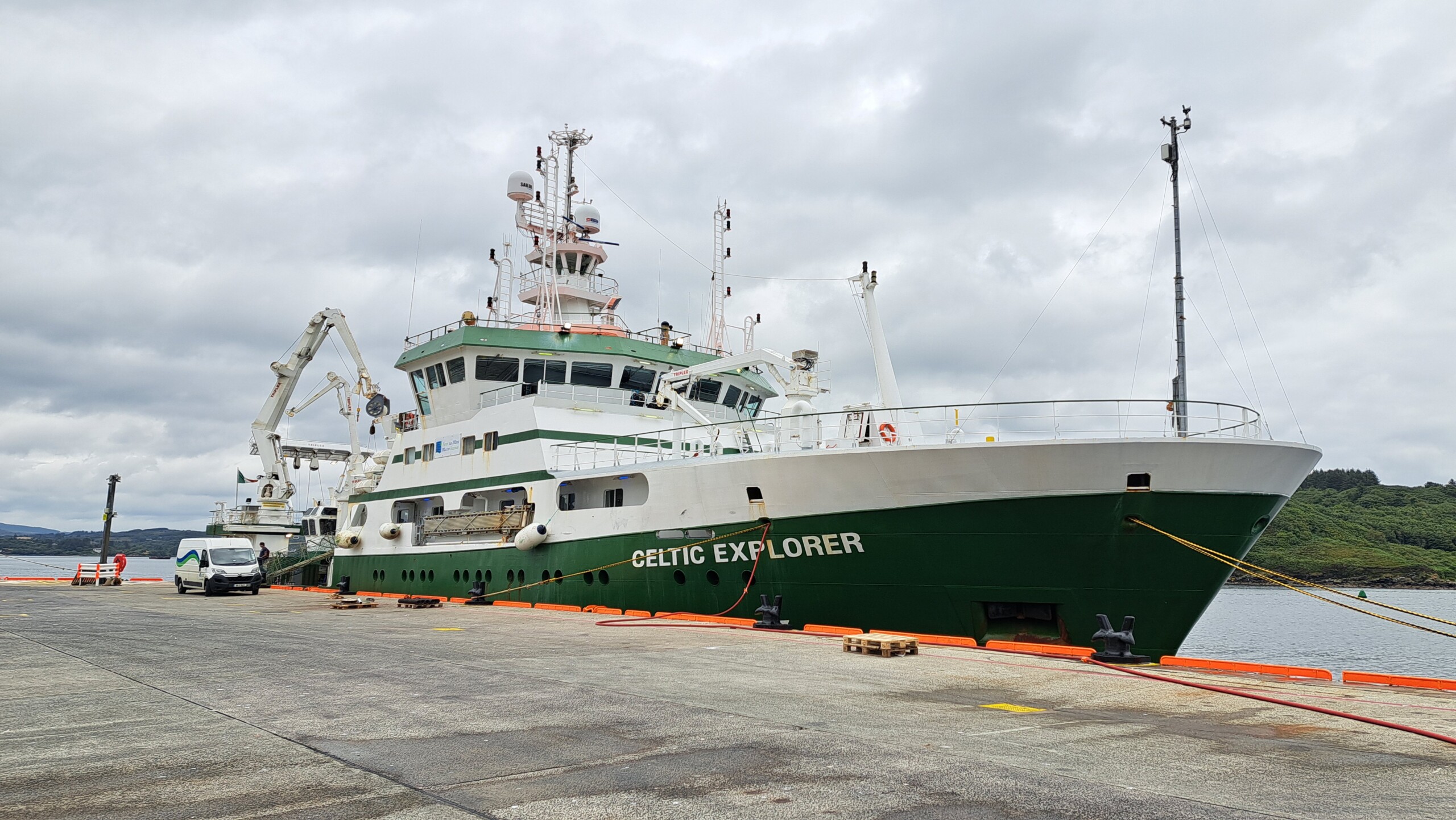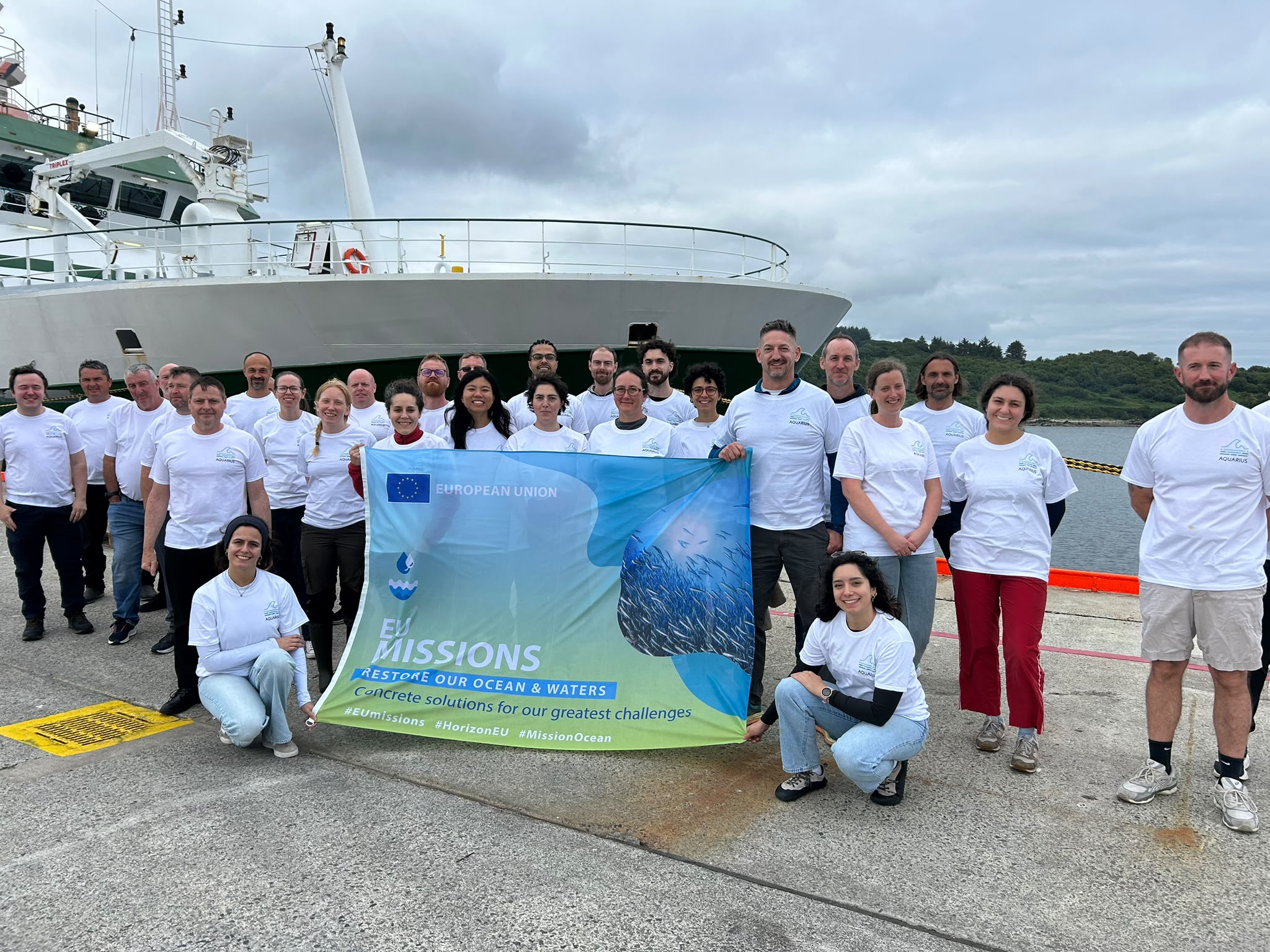
The AQUARIUS-funded AR7E-2026 project conducted an international research expedition from Ireland to Greenland aboard the RV Celtic Explorer.
Alongside advancing our understanding of the changing North Atlantic, the expedition has become part of an important milestone in international ocean governance: it is the subject of the first pre-collection notification for marine genetic resources submitted under the UN Agreement on Biodiversity Beyond National Jurisdiction (BBNJ Agreement).
The Expedition: From Ireland to Greenland aboard the RV Celtic Explorer
Between July and mid-August 2026, researchers from the AQUARIUS-funded AR7E-2026 project conducted a scientific survey of the subpolar North Atlantic aboard the Marine Institute’s research vessel, the RV Celtic Explorer. During the voyage from north-west Ireland to the southern tip of Greenland, the team collected physical, biogeochemical and biological data.
Led by Dr Yvonne Firing of the National Oceanography Centre (NOC), the team revisited an established GO-SHIP survey route that has been monitored internationally for decades. Comparing the new data with this long-term record will help researchers identify changes in the North Atlantic and examine the links between ocean circulation, heat, carbon and marine ecosystems.
As the National Oceanography Centre team explains:
“As our capability to monitor and understand the ocean continues to expand, from the circulation of heat and carbon to microbial biological dynamics, it’s exciting to contribute to observing a region significant both for its role in global climate and the importance of local marine ecosystems. The infrastructure access provided by AQUARIUS facilitates collaboration and enables us to collect a whole range of data to form a better picture of the relationships between biological, biogeochemical, and physical processes.”
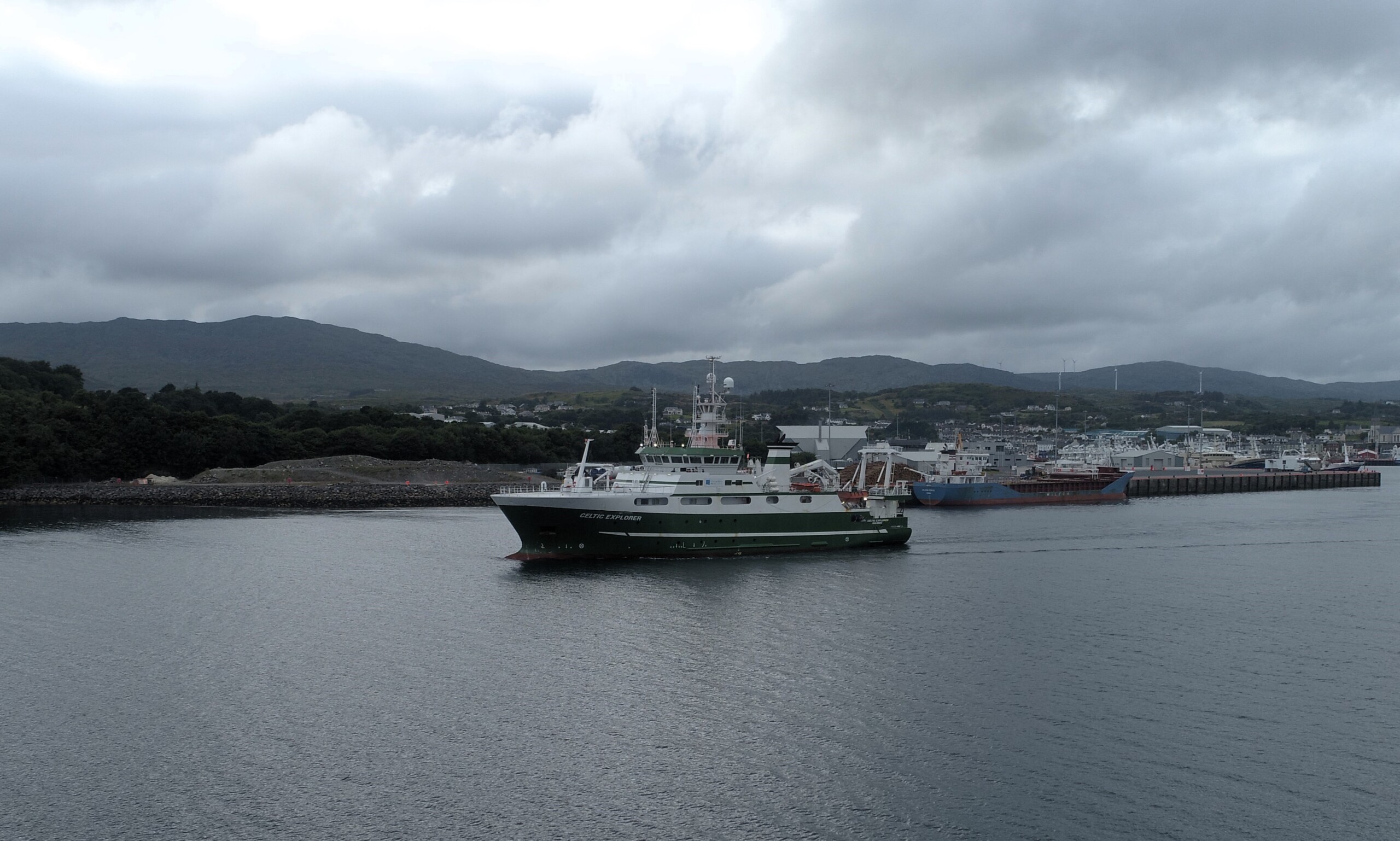
As researchers aboard the RV Celtic Explorer studied the changing North Atlantic, their work also contributed to the first steps in implementing a new international framework for conserving and sustainably using biodiversity on the high seas as the subject of the first pre-collection notification for marine genetic resources submitted under the UN Agreement on Biodiversity Beyond National Jurisdiction (BBNJ Agreement).
Through the first AQUARIUS Transnational Access Funding Call, AR7E-2026 received funded access to the Marine Institute’s state-of-the-art research vessel, the RV Celtic Explorer. The resulting expedition and research, together with the milestone they marked for the BBNJ Agreement, demonstrate how funding programmes that enable transnational access to research infrastructures can advance ocean science and support international ocean governance.
The first pre-collection notification submitted under the UN High Seas Treaty
The high seas cover approximately two-thirds of the ocean and are home to an estimated 10 million species, many yet to be discovered. They also serve as important migratory corridors for key species such as whales and tuna. Yet, because they lie beyond any country’s national jurisdiction, their protection has faced challenges including fragmented governance, weak regulation and limited enforcement.
To address these gaps, the BBNJ Agreement entered into force on 17 January 2026. Also known as the High Seas Treaty, this legally binding international treaty establishes a framework for conserving and sustainably using marine biodiversity in areas beyond national jurisdiction. It also aims to ensure that benefits arising from marine genetic resources are shared fairly and equitably.
To support transparency and traceability, the Agreement requires a pre-collection notification before marine genetic resources are collected in these areas. This formal submission explains what researchers intend to collect, where, why and how, and how the resulting samples and data will be managed.
The first notification of this kind was submitted by Ireland on 16 July 2026. It relates to biological sampling planned as part of the AR7E-2026 expedition aboard the RV Celtic Explorer. The submission marks an important step in moving the High Seas Treaty from a legal commitment into practice, making AR7E-2026 part of a wider milestone for high seas research and international ocean governance.
The full notification is available through the United Nations BBNJ Agreement website.